
Author: Sarah Stook
Charles II never had any children with his wife Catherine of Braganza, but his legendary liaisons with his mistresses saw him sire fourteen illegitimate children. Despite the fact that they would never be heirs to the throne, Charles ensured that they were well taken care of with titles and money. Many of them lived rich and exciting lives, and gave him sixty-seven grandchildren.
They are:
- James Scott, 1st Duke of Monmouth and Buccleuch, Earl of Doncaster and Baron Scott of Tynedale
Born: 1649
Mother: Lucy Walter
Wife: Lady Anne Scott
Children: 6 (legitimate), 3 (illegitimate)
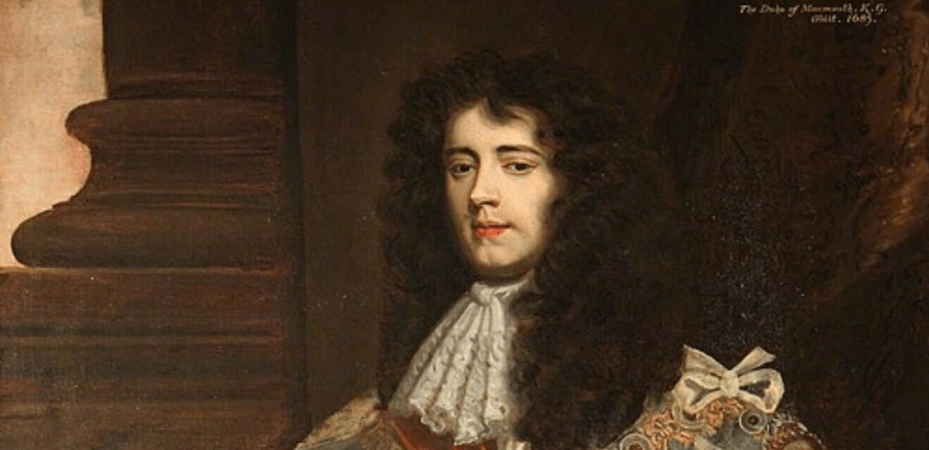
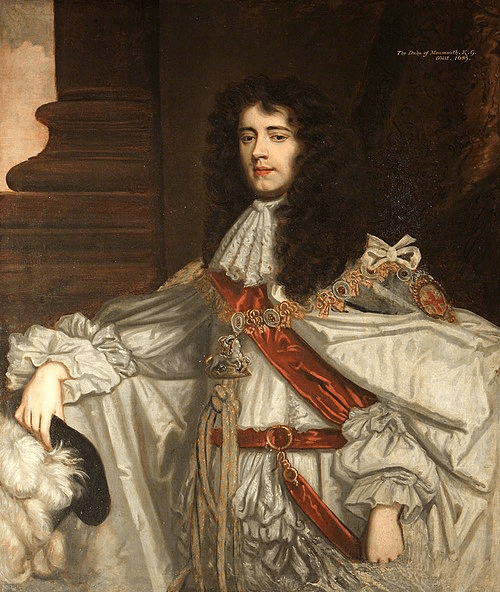
Born James Fitzroy on the 9th April 1649, James was the first illegitimate child of Charles II, then the Prince of Wales. His mother was Lucy Walter, James’ first mistress. Charles and Lucy had begun their relationship sometime in 1648, meaning that James was born very early in their relationship. Whilst James, Duke of York ended up marrying his mistress Anne Hyde when he got her pregnant, Charles had no such compunctions. It is easy to see why. Charles would need to make a strong dynastic match when the war was won, and Lucy was not only British, but merely the daughter of a loyal gentry family. Lucy, for her part, seemed to foster no belief that he would marry her. Furthermore, Lucy had a reputation as a sexual woman, having had affairs before Charles.
Months after James’ birth, Charles’ father was executed and he became the exiled king. James lived with his mother for the first eight years of his life. She moved around Europe, taking lovers and having another illegitimate child. When James was a boy of eight, Charles had him taken to live with a loyal family in France. James was thirteen when his father brought him to England and showered him with titles. Charles was still early into his marriage with Catherine of Braganza, and there was no indication that they would not have any legitimate children.
Soon after his fourteenth birthday, James was married to Anne Scott, 1st Duchess of Buccleuch in her own right. She was twelve. The marriage was fruitful in that they had six children, two of whom lived to adulthood. Like his father, James had mistresses, one of whom gave him three children.
For most of his life, James was a prominent military leader, known for battling the Dutch. As it became clearer and clearer that Charles and Catherine would not have children, James became a popular candidate for heir to the throne. The real heir, the Duke of York, was Catholic. Meanwhile, James was young, popular, had legitimate children and most importantly, a Protestant. Some clamoured to have him legitimised. Charles could have said that he had married Lucy Walter, and done so without offending Catherine, as she had died before he’d married his queen. Still, it was not feasible. Lucy had claimed late in life that they’d married, but there was no proof.
James was implicated in the Rye House Plot, a plot to kill both the King and the Duke of York. Nothing more happened until Charles II died in 1685, making the Duke of York the new King James II. Now, James had an opening. With the help of a number of Protestant noblemen, James kicked off the Monmouth Rebellion. Over several weeks, rebels fought Royalist forces in various locations and attempted to build up support. Unfortunately, it didn’t work. Parliament declared James a traitor and sentenced him to death, and he and his rebels were defeated at the Battle of Sedgemoor, necessitating him fleeing. He was captured and on the 15th July 1685, he was executed in a botched execution, ending the Monmouth claim.
The Monmouth title was made extinct and his wife gave up her title in favour of her son. He died before her, so his son was the 2nd Duke of Buccleuch. The title exists to this day. Meanwhile, James did not live to see his cousin Mary and her husband oust his uncle in the Glorious Revolution.
2. Charlotte Boyle FitzRoy Howard Paston, Countess of Yarmouth
Born: c. 1650

Mother: Elizabeth Killigrew, Viscountess Shannon
Husbands: James Howard and William Parton, 2nd Earl of Yarmouth
Children: 1 (with Howard), 2 (with Parton)
Likely born Charlotte Boyle around 1650, Charlotte was the second illegitimate child of Charles II and only one with her mother Elizabeth Killigrew. Elizabeth was married to Francis Boyle, the future Viscount Shannon, so he would have been considered Charlotte’s legal father. She had been a lady-in-waiting to Henrietta Maria and was from a Royalist family. At some point, Charles recognised Charlotte as his.
At some point, possibly in 1664, Charlotte married dramatist James Howard, with whom she had a daughter named Stuarta. Stuarta would become a lady-in-waiting to her cousin Mary II. Howard died in 1669, leaving her a widow at a young age. She then married William Paston, Lord Paston, son and heir to the 1st Earl of Yarmouth, in 1771. They had four children, all of whom lived to adulthood, before her father-in-law died and she became Countess of Yarmouth.
Little is known about Charlotte, who died aged thirty-three or thirty-four on the 28th July 1684. As her eldest son died without any male heirs and was predeceased by his brother, the earldom died out.
3. Charles FitzCharles, 1st Earl of Plymouth, Viscount Totness and Baron Dartmouth
Born: c. 1657
Mother: Catherine Pegge, Lady Green
Wife: Lady Bridget Osborne
Children: None
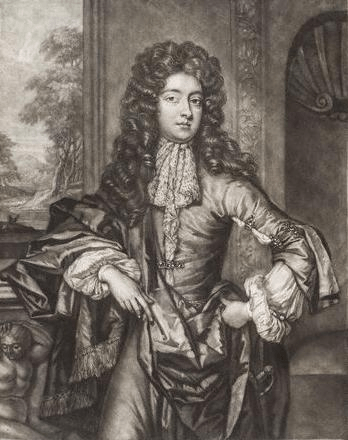
Charles FitzCharles was born sometime in 1657 to Charles II and Catherine Pegge, in Bruges, as their first child. Catherine was the daughter of a baronet and her family had fled to Europe as Royalists. She married Sir Edward Greene in 1670.
In 1672, Charles was brought to court. He was given an excellent education and proved to be very intelligent. Charles was made the 1st Earl of Plymouth and given other titles in 1675. Three years later, at about twenty-one years old, he married the fourteen year-old daughter of Lord Hugh Treasurer the 1st Duke of Leeds, Lady Bridget Osborne.
In 1680, Charles was sent to Tangier, then part of the Portuguese Empire, to fight the Moroccans. He died of dysentery on the 17th October of that year in Tangier after drinking contaminated water, and was buried at Westminster Abbey when his body was returned. With no sons, the earldom was temporarily extinct until Charles II gave it to someone else. Lady Bridget waited twenty-five years to remarry, this time to future bishop Philip Bisse.
4. Catherine FitzCharles, possibly Sister Ophelia
Born: c. 1658
Mother: Catherine Pegge, Lady Green
Husband: None
Children: None
Catherine FitzCharles was born around 1658, the second child of Charles III and Catherine Pegge.
We know almost nothing of Catherine’s life. There are two schools of thought. One is that she died young. The other is that she became Sister Ophelia, a Benedictine nun at Dunkirk Abbey. If this is true, she lived to the extraordinary age of 101.
5. Anne Palmer FitzRoy Lennard, Countess of Sussex and Baroness Dacre (paternity disputed)
Born: 1661
Mother: Barbara Palmer, 1st Duchess of Cleveland and Countess of Castlemaine
Husband: Thomas Lennard, 1st Earl of Sussex
Children: 4
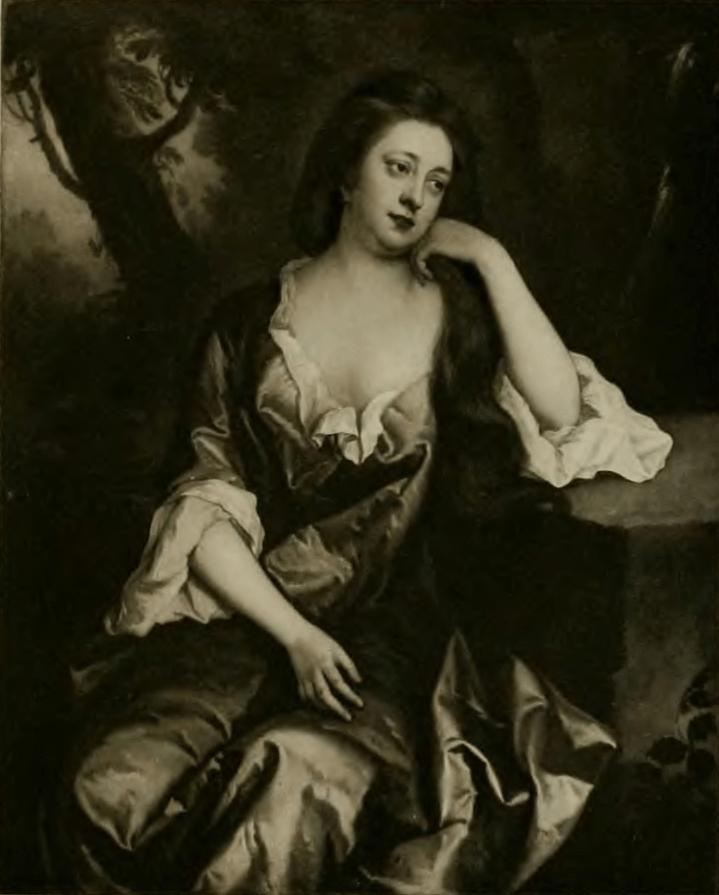
Lady Anne Palmer was born on the 25th February 1661 to Barbara Palmer, then only Countess of Castlemaine. Her paternity is questioned. One can likely count her mother’s husband out. This leaves two possibilities: Charles II or her mother’s first lover, Philip Stanhope, 2nd Earl of Chesterfield. As Chesterfield was out of the country around Anne’s conception, the likely candidate is Charles. He and Barbara both believed so at any rate. Lord Castlemaine loved Anne as if she was his own and made her chief beneficiary of his will.
Charles had spent his first night back in England with Barbara and it’s believed that Anne was conceived on that night. As a young girl, Anne was educated in France. She married Thomas Lennard, 15th Baron Dacre in 1674, he was made Earl of Sussex.
Anne had four children with her husband- two sons and two daughters. She also seemed to have inherited the sexual appetite as her parents. Anne shared Ralph Montagu as a lover with her mother, and was also the lover of her father’s former mistress, Hortense Mancini. Adultery and her husband’s poor finances led them to selling their home and separating.
As their sons predeceased him, the earldom died with Lord Sussex when he passed in 1715, though it was revived for another man two years later. The baronry passed onto daughter Anne in 1741. The Dowager Countess died on the 16th May 1721 or 1722 aged sixty or sixty-one.
6. Charles Palmer FitzRoy, 2nd Duke of Southampton and 1st Duke of Cleveland
Born: 1662
Mother: Barbara Palmer, 1st Duchess of Cleveland and Countess of Castlemaine
Wives: Mary Wood and Anne Pulteney
Children: 6
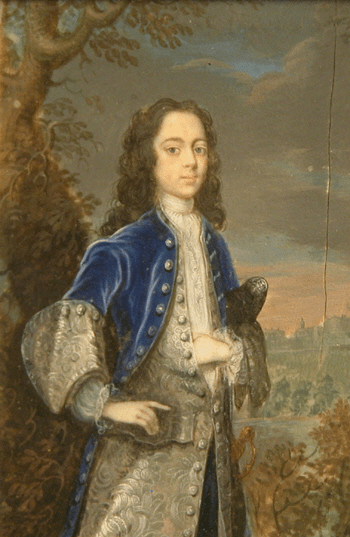
Charles Palmer, Lord Limerick, was born to Barbara Palmer on the 18th June 1662. Her husband believed him to be his son and he was thus given his father’s subsidiary title and baptised in the Catholic Church. A few days later, Charles II referred to him as his son and had him baptised in the Church of England. After Barbara was made Duchess of Cleveland in her own right, it was decided that Charles would inherit the title as a legitimate son. He was recognised by Charles II and given his mother’s subsidiary title of the Earl of Southampton. Charles was created the Duke of Southampton in 1675.
In 1679, he married the wealthy Mary Wood. She died a year later and he inherited her vast fortune. Charles remained loyal to his uncle James II during the Glorious Revolution, as did his brothers and brothers-in-law. He was forced to sign a pledge of allegiance to William and Mary.
Charles wed Anne Pulteney, daughter of an MP, in 1694. They had six children- three daughters and three sons. He inherited his mother’s title as Duke of Cleveland upon her death in 1709. Charles died in 1730. The dukedom initially went extinct in 1774 when his son died without children, but his eldest daughter’s grandson was given the title again in 1833.
7. Henry FitzRoy, 1st Duke of Grafton and 1st Earl of Euston
Born: 1663
Mother: Barbara Palmer, 1st Duchess of Cleveland and Countess of Castlemaine
Wife: Isabella Bennet, 2nd Countess of Arlington
Children: 1
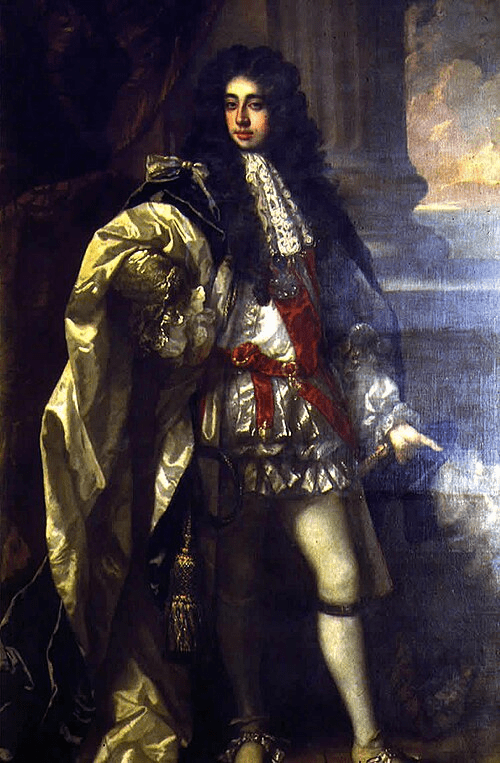
Henry Fitzroy was born to Barbara Palmer and Charles II on the 28th September 1663. Upon his betrothal to Lady Isabella Bennet, heiress to her father’s earldom, in 1672, he was made Earl of Euston and given the other subsidiary titles. On their marriage in 1679, Henry was created the Duke of Grafton.
The pair had one son, also named Charles, in 1683. Two years later, his wife’s father died and she came to the Countess of Arlington in her own right. Unlike his older brother and other relatives, Henry was loyal to William of Orange and supported him during the Glorious Revolution. He did support his uncle during the Monmouth Rebellion however.
A member of the Navy, Charles died on the 9th October 1690 during the Storming of Cork. His body was returned to England for burial. Charles’ son inherited his title, and that of the countess (who remarried in 1698), upon her 1723 death. The 1st Duke’s great grandson became prime minister in 1768. Their descendents are still the holders of the dukedom to this day.
8. Charlotte FitzRoy Lee, Countess of Lichfield
Born: 1664
Mother: Barbara Palmer, 1st Duchess of Cleveland and Countess of Castlemaine
Husband: Edward Lee, 1st Earl of Lichfield
Children: 18
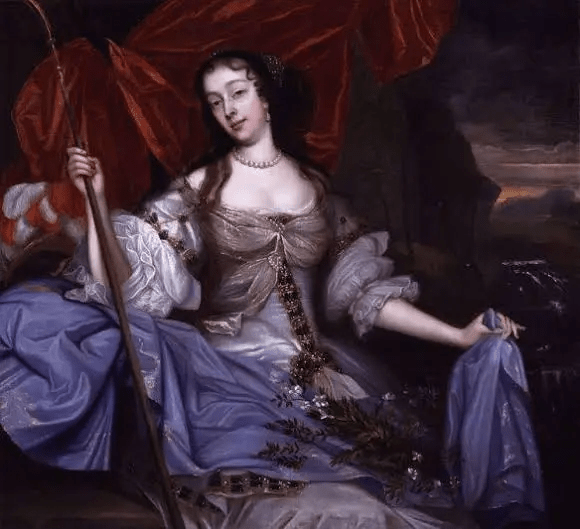
Lady Charlotte FitzRoy was born on the 5th September 1664 to Barbara Palmer and Charles II. Little is known about her early life expect that she was educated by governesses and in France, that she was the favourite niece of her uncle James and that she was adored by her father.
On the 6th February 1677, she married Edward Lee, the 1st Earl of Lichfield. Their initial ceremony had been in 1674 but the formal event did not happen until they were of age. By all accounts, the pair had a loving and close relationship. They were certainly fruitful, as they bore eighteen children over twenty-eight years.
Like most of her family, Charlotte and her husband supported her uncle James over her cousins Mary and William. Even years later, her husband refused to swear an oath of allegiance to Queen Anne. Lord Lichfield died in 1716, she died two years later. The earldom went extinct after their youngest son died without heirs.
9. George FitzRoy, Duke of Northumberland
Born: 1665
Mother: Barbara Palmer, 1st Duchess of Cleveland and Countess of Castlemaine
Wives: Catherine Wheatley and Mary Dutton
Children: None
Lord George FitzRoy was born to Barbara Palmer and Charles II on the 28th November 1665. He was officially recognised by his father in 1674 and was created Earl of Northumberland and given the subsidiary titles. A year later, he was Duke of Northumberland. George was said to resemble his father most in looks, capability and personality. Indeed, on his deathbed, Charles II begged James to care for George.
In 1686, George eloped with Catherine Wheatley, a gentleman’s daughter at best. James had planned a grand noble march for George and was furious. Hoping to regain his uncle’s favour, George cruelly placed Catherine in a convent abroad. Despite his anger at the marriage, James felt that marriage was for life and did not like how Catherine was treated, thus bringing her back home. George refused to live with her. When Catherine died in 1714, George immediately married his mistress Mary Dutton. He was disliked by his cousin William and Mary, as he’d supported his uncle during the Glorious Revolution. Cousin Anne was more supportive, but George lost his many positions when George I came to the throne.
George died suddenly in 1716. His widow was allowed to live at Frogmore House until her own death in 1738. As he had no heirs, the dukedom went extinct until it was revived for the Percy family, who still hold it today.
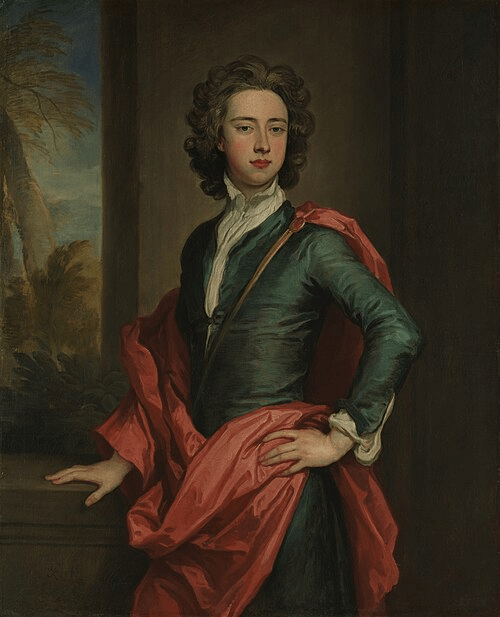
10. Charles Beauclerk, Duke of St. Albans
Born: 1670
Mother: Nell Gwyn
Wife: Lady Diana de Vere
Children: 12
Charles was born to Charles II and Nell Gwyn, the most lowborn of the mistresses, on the 8th May 1670. In the first years of his life, Charles had no surname until he was officially recognised by his father. Nell pushed for titles for him and his younger brother, as they’d been passed over in favour of bastards born to noble mothers. When Charles was six, he and his brother were given the surname Beauclerk. He was given the title Earl of Burford and the subsidiary Baron of Heddington. When the Earl of St. Albans died in 1684, Charles was made Duke of St. Albans. His mother also left him her estate when she died in 1687.
Having supported William and Mary in the Glorious Revolution, Charles was awarded with political and household roles. He married Lady Diana de Vere, the only surviving child of the Earl of Oxford, in 1694. She inherited her father’s estates but not his title. The marriage was fruitful, bearing twelve children over twenty years.
Charles died in 1726. His descendants are still holders of the title today.
11. James Beauclerk, Lord Beauclerc
Born: 1671
Mother: Nell Gwyn
Wife: None
Children: None
James was born in 1671 to Charles II and Nell Gwyn. His date of birth is unknown but he was baptised on Christmas Day. Like his brother, he had no surname until their father recognised them. James was given the surname and the precedent of an earl’s eldest son in 1676.
He died young in 1680.
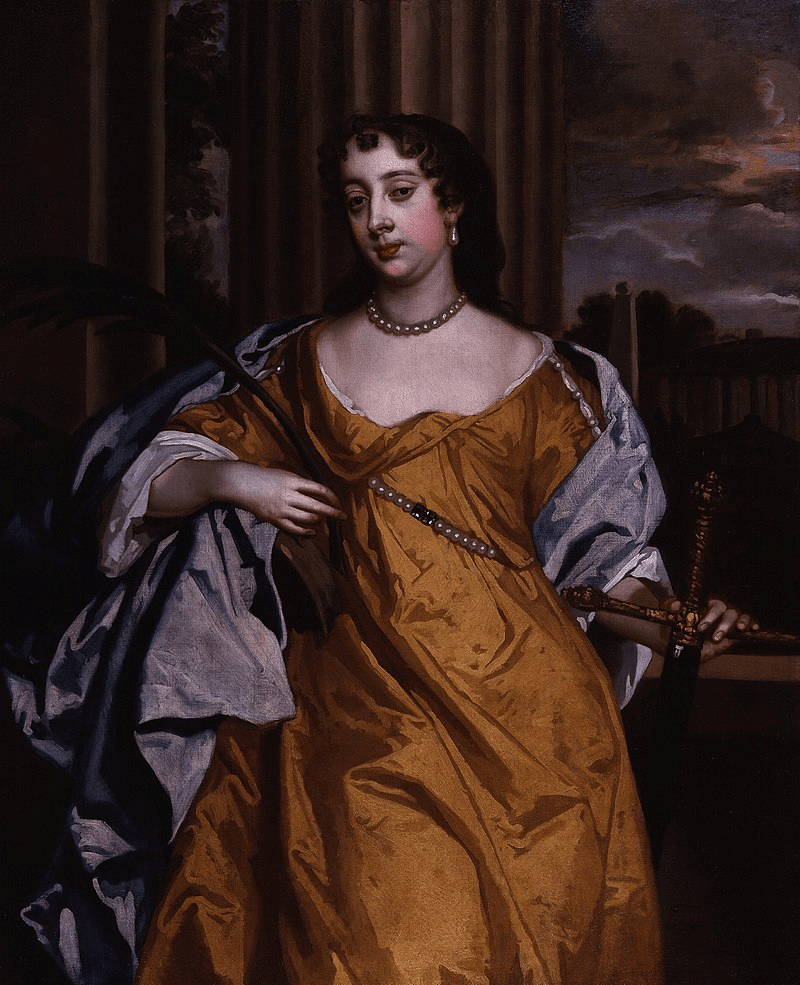
12. Lady Barbara FitzRoy, Sister Benedicta (paternity disputed)
Born: 1672
Mother: Barbara Palmer, 1st Duchess of Cleveland and Countess of Castlemaine
Husband: None
Children: 1 (illegitimate)
Lady Barbara FitzRoy was born to Barbara Palmer on the 16th July 1672. Her exact father is unknown, but there are three options. The first is Charles II. He did not believe himself to be the father despite the Duchess’ protests. Charles sometimes referred to himself as her father and gave her the Suriname FitzRoy, but privately denied her. Another candidate is Lord Chesterfield, her mother’s old flame, who she was said to strongly resemble. The final candidate was John Churchill, later Duke of Marlborough and husband of royal favourite Sarah Churchill.
Barbara is widely believed to have given birth to the illegitimate son of the Earl of Arran in 1691. He was widowed and therefore could have married Barbara, but his family opposed this and he instead married another years later. Barbara then became a nun. Another version of this says that Barbara was already a nun when she gave birth to his child. Considering her mother later disowned her, this gives some credence to the idea- the duchess may have been a wanton woman, but a nun giving birth to an illegitimate child may have been too much for her. Still, Barbara herself said she became a nun as penance for the illegitimate birth.
Barbara became Sister Benedicta and later a prioress. If one believes that her older half-sister Catherine FitzCharles died young, then Barbara was the last surviving child of Charles II, dying on the 6th May 1737.
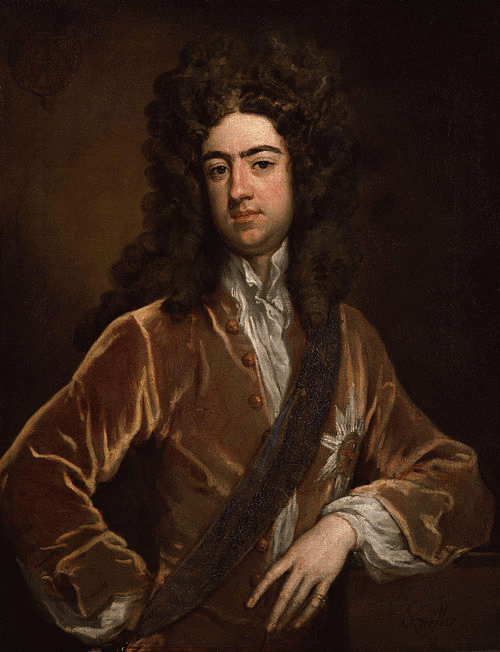
13. Charles Lennox, Duke of Richmond and Lennox and Others
Born: 1672
Mother: Louise de Kérouaille, 1st Duchess of Portsmouth, Duchess of Aubigny, Baroness Petersfield and Countess of Fareham
Wife: Anne Brudenell
Children: 3 (legitimate), 1 (illegitimate)
Charles was born to Charles II and Louise de Kérouaille, 1st Duchess of Portsmouth, the highest ranked of the mistresses, on the 29th July 1672. His mother had been made chief mistress ten months prior. When Charles was three years old, he was given a litany of titles, as well as a French dukedom by Louis XIV. This was likely because of his mother’s prominence.
His mother’s prominence also saw him gain a range of royal positions before he had even reached puberty. When James II became king, he stripped the boy of his roles. The Duchess and her son then went to France, where they lived comfortably. Despite this and swearing himself a Catholic, Charles headed back to England. Even though James refused him any more titles, Charles still supported his uncle during the Glorious Revolution. He served in the French military. After that, he sought to elevate his position and stole his mother’s jewels to fund his travels. His mother was furious and Louis XIV responded by taking his pension away and giving it to the Duchess.
In 1692, Charles married Anne Brudenell. That same year, he pledged allegiance to William I and outwardly converted to Anglicanism. Still, Charles remained devoted to the Catholic Church. Charles and Anne had one son, who inherited his titles and two daughters, who married earls. He also had an illegitimate daughter by his mistress. By remaining close to William and then Anne, Charles was able to get the title of Duke of Richmond, though he sold off the estates.
Charles became a cricket patron in his life, but fell into despair and alcoholism in later years. He died on the 27th May 1723, aged fifty. His ancestors still hold the dukedom.
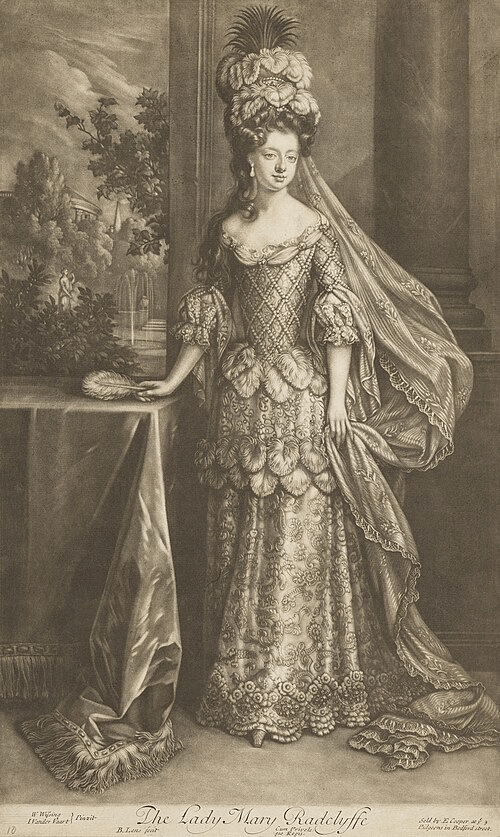
14. Mary Tudor Radclyffe Graham Rooke, Countess of Derwentwater
Born: 1673
Mother: Moll Davis
Husbands: Edward Radclyffe, 2nd Earl of Derwentwater, Henry Graham MP and Major James Rooke
Children: 4 (with Radclyffe), 1 (with Rooke)
Mary was born to Charles II and Moll Davis, the last of his likely fourteen illegitimate children, on the 16th October 1673. Unlike her half-siblings, Mary was not acknowledged early and thus entered the world of acting. Her mother was an actress, but the profession was seen as no better than prostitution. That did not change when she was acknowledged by the king in 1680, even after she was styled as the daughter of an earl, became Lady Mary Tudor and was given an annuity.
In August 1686, she married the future Earl of Derwenwater, Edward Radclyffe. They had three sons and a daughter. The pair separated in 1700, possibly because he refused to convert to Catholicism. The Earl died in 1705. Sons James and Charles became part of the Jacobite Rebellion of 1715. Whilst Charles escaped to France, eldest son James was executed, despite Mary’s attempts to get clemency. Charles was part of the 1745 Jacobite Rebellion and was executed for his role in that.
Mary married just a week after her husband died, to her apparent lover Henry Graham MP. This did not serve them well, as he was dismissed from the royal household. A few months after his 1707 death, Mary married Major James Rooke. She soon fell pregnant and they had a daughter named Margaret. Mary eventually moved to Paris.
On the 5th November 1726, Mary died in Paris. Rooke outlived her by nearly fifty years, dying in Gloucestershire in 1773.
Sarah Stook is a writer for Elections Daily, The Mallard and other publications. She enjoys history, reading and fashion.
Discover more from Decadent Serpent
Subscribe to get the latest posts sent to your email.
