

Author: Dinah Kolka
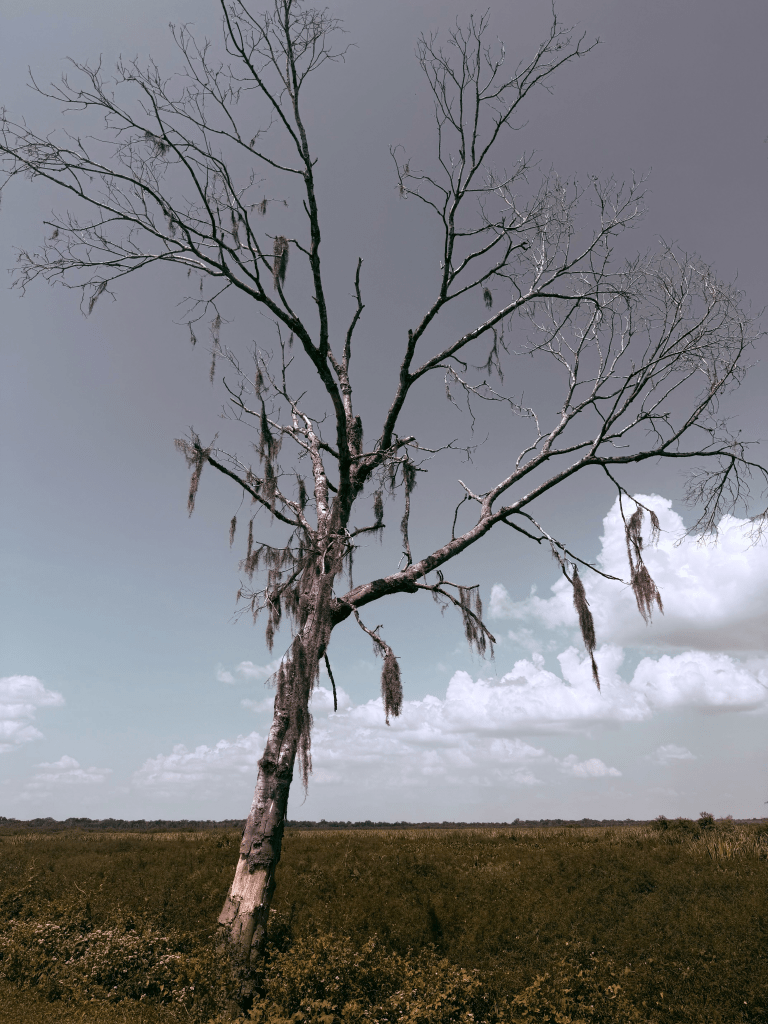
Having spent a week in this strange, vast land, I can finally come to some conclusion on the American people, the land, and all that comes with it. I don’t think that a European can fully conceptualise the vastness thereof until visiting. Keeping in mind that Texas itself is bigger than the United Kingdom, and Houston houses a population of around 5 million people.
And yet, despite the size, it is an admirable place to be — to be in America means to be part of community — and each time I went outside, people would chat to me, unprompted. They would compliment my outfits with no reservations, ask questions, and take an interest. This, although jarring to someone residing in the UK, is a welcome change. It never felt lonely. People would always make sure of that.
What particularly struck me was visiting nature. I am still holding it against John Muir that he did not visit and write about Texas, as the sprawling plains of flat prairie and the hyacinth poking through the murky swamp water begged for his attention. I suppose it is only right that I write about this and do it justice.

On one of the days, I visited Brazos Bend State Park, a park known for its bayous, weeping willows, and, naturally, American alligators. The heat did not subside upon entering the forested area; rather, it compressed on you, forcing its way like an oversized sauna from which there is no escape. The flora was different to that common in the UK, as the weather here, even in September, is almost tropical. There is a simulacrum of autumn, with the leaves falling from the trees, but this doesn’t even make a dent — the whole city is defiantly green. As we walked across the park, I was astounded by the intact wilderness of it. Where many people often point at poor environmental safeguards in America, the fact is that the wild sections of it are pretty much left intact, even more so than in the UK. The fact that alligators still have a habitat and can live in partial harmony with human beings is an achievement we should note.
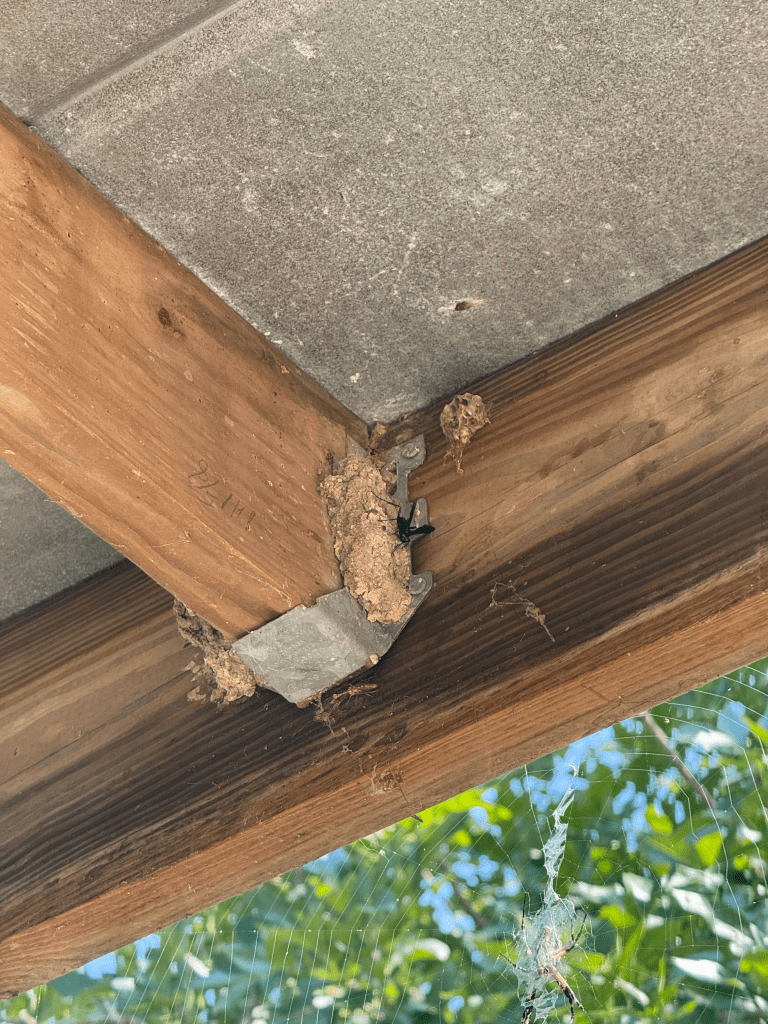
The bayous were rife with all sorts of life. Under the surface of the water, bubbles were everywhere, suggesting creatures hiding beneath. I saw an Orb-Weaver spider, spinning his web on the side of the observation deck, while a mud wasp was circling it, intending to devour it. A little snake was swimming confidently in between the lily pads, poking out his head every now and then with curiosity. Frogs were large and blended with their surroundings, hiding beneath bridges, in high grass, and in water. If you stirred too fast, you could see a frog jump out suddenly, stretching its little body in the sudden movement.
And of course, the alligators. They hid in the tall grass, observing, sleeping. These ancient dinosaur-like creatures were scattered everywhere, able to move and march at you at a moment’s notice. It felt almost sacrilegious to take pictures of them — invading the secret space of their lair.
But alligators and spiders weren’t the only creatures out there. I saw snowy egrets, a beautiful ibis, grackles, and other birds. Dragonfies buzzing around everywhere.
I left the bayou covered in sweat and severely dehydrated, but I had the sense that I discovered something new, met the ancient animals, and honoured them the best I could — by writing about them here.
Dinah is the founder of Decadent Serpent and a graduate of Edinburgh Napier University with a BA(Hons) in English Literature. Her work has been featured in publications such as The Salisbury Review and The Mallard. She was also published in the Scottish Book Trust’s 2018 anthology Rebel. In 2023, Dinah self-published her own collection of short stories, The Search and Other Stories.
Discover more from Decadent Serpent
Subscribe to get the latest posts sent to your email.

Excellent piece Dinah, so good, enjoyed it x
LikeLike