
Author: Ross Hepburn. Ross is an avid fan of horror and a founder of HauntedBurgh, a ghost tour company operating in Edinburgh.
It’s the start of a new year, which, as usual means preparing for my private tours, but also marking in my calendar the release dates for new horror film releases. So far, the most talked about film to kick this year off has been Robert Egger’s reimagining of one of the most important horror films ever made: Nosferatu.
Looking at this new Nosferatu got me thinking into a rabbit hole of debate that often comes up a lot in the horror community. When thinking of classic horror, most fans will have different opinions on what ultimately is the golden age of horror cinema. However, with this phrase comes an elitism that often puts a filter on new horror releases that are being produced and shown to audiences. To put it best, there is Modern Horror which is generally bad, and Classic Horror, which is ultimately where horror is and belongs… Or does it?
The typical argument for most classic horror purists is that we haven’t seen the same class of horror films as we used to in the past. Nothing has been the same since Christopher Lee and Donald Pleasence. Many would claim that horror films today rely heavily on jumpscares, gore, cheap tricks, and topless no-name actors who will be promoted on the poster only to be murdered in the first half hour of the film’s running. This is a very easy argument for horror fans to make. And I would be lying if I said that I didn’t make any of those arguments for myself.
As a teenager, I thought the only good horror films that were made were the ones that redefined the genre, transcended conventional horror standards and created a new classic. Now as I get older and access to more media has been made easily available for us, a wider range of horror films are being shown and screened, I truly appreciate them. But many will still state that they aren’t classic horror.
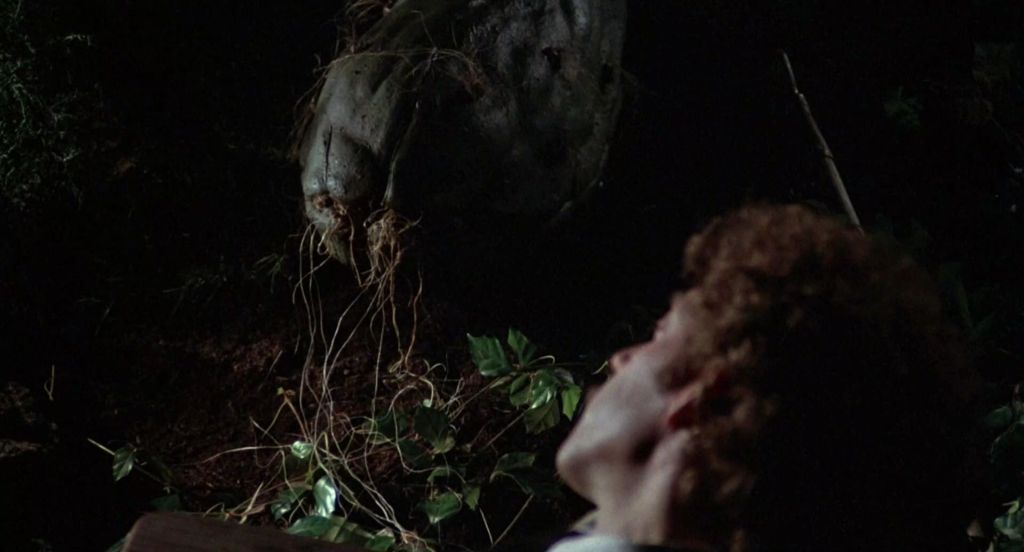
This makes me question: What is Classic Horror? My father considers Brian De Palma’s seminal Stephen King adaptation of Carrie to be a classic. And I can’t blame him. It’s fantastic. Now my dad is old enough to have been able to go to the cinema to see Carrie and the experience of watching it on the big screen for the first time transfixed him so much that at that moment, he declared it a classic.

Is this what makes a film a classic? Or what about the horror historians? As a fan of The League of Gentlemen, the extensive collective knowledge of horror that the four men shared, I am nowhere near their level, even as someone quite seasoned in horror. Now these guys watched everything. From obscure horror from Italy and Spain to British chillers that were TV-produced horror for nighttime entertainment. It’s no secret that they have been deeply inspired by this for their own writing and works, and it shows in everything they’ve done.
So maybe it was those guys who helped me consider what a classic horror is? But then it struck me – when I listened to AC/DC, I realised what horror filmmakers and fans meant when they called a horror film a ‘classic’.
“Where are you going with this Ross?” I hear you ask. Let me explain. If you were to go on to Spotify to look for AC/DC and listen to If You Want Blood (You’ve Got It). You will see that AC/DC fall into many categories. Hard Rock, Heavy Metal and the one that stands out… it’s Classic Rock.
That’s when it hit me. People are looking for a subgenre in horror that celebrates the classic style of filmmaking and storytelling similar to the films of Hammer House Of Horror, Universal’s early monster films, and the strange horror films of that time. It was the films that made Christopher Lee call the horror genre ‘Cinema Fantastique’. That’s what people are missing and want to see…but the truth is they can’t.
For me, Classic Rock shouldn’t really be a genre in music. It’s still rock music. Turning Classic Rock into a category essentially labels it as something that can’t work, something that doesn’t work in music. AC/DC weren’t trying to be a “Classic” rock band, they were trying to be a rock band. The sound they produced was a sound that was aggressive, primal, loud and awesome. Now any band can sound like AC/DC today, but if they do, they get slapped with the Classic Rock label.
I don’t want horror cinema to go in that direction. I want people to experience horror cinema for its best examples and for its worst examples. And the truth is – modern horror cinema has many mistakes, just as much as classic horror does. People don’t like to admit it, but it’s true.
As well as this, there were a lot of forgotten horror films that were made in the supposed classic era of cinema that got nowhere near the attention of some of the most famous horror films of the era. This is outstanding because horror cinema has been considered for the longest time as being the cinema’s toilet. But without horror, you wouldn’t have cinema. Let me explain:
1920s
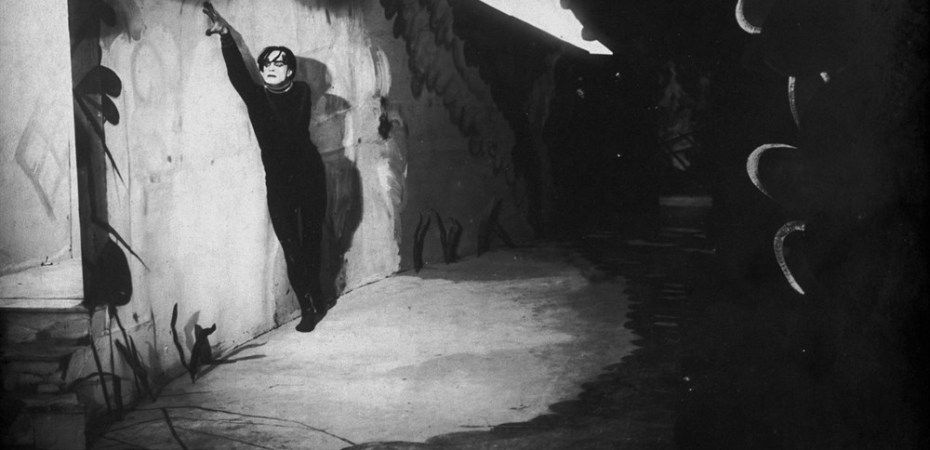
In the early 1900s, Germany and France begin to put the pieces together to capture footage on film and play it back in a reel. Lo and behold, we got filmmaking and cinema. The first game changer to really explore the power of the magic of cinema came from arguably the most influential and one of the earliest horror films ever made “The Cabinet Of Dr.Caligari”. A groundbreaking piece of cinema that introduced German Expressionism to the masses through a new means of magic that was captivating and engaging.
Then 1922 the first horror film of its type was made. It was the first vampire film and it was also the first film adaptation of Dracula. This was Nosferatu. Bram Stoker’s widow sued the filmmakers behind Nosferatu because the filmmakers had forgotten to license the rights to the novel and the film was almost suppressed. However, the film was saved thanks to prints that were saved from destruction. Thank the Lord for that. The image of Nosferatu is as influential as Dracula itself.

1930s
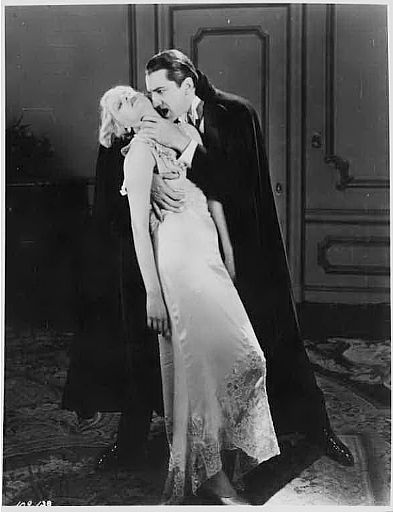
Hollywood decided it wanted to grow and exist. Now films in Hollywood were beginning to emerge and Universal wanted to be a mainstay and to do this, they turned to horror, when they released the first-ever talking horror film. Starring Bela Lugosi as the charming romantic monstrous lead villain, Universal released Dracula. This then started a trend of horror cinema coming from Universal in this decade. Not only did these films have sound at their disposal, but they also had elaborate sets and costume designs. As well as being at the forefront of make-up appliances for monsters. Such as the iconic image of Boris Karloff as the creation of Frankenstein.
1940s
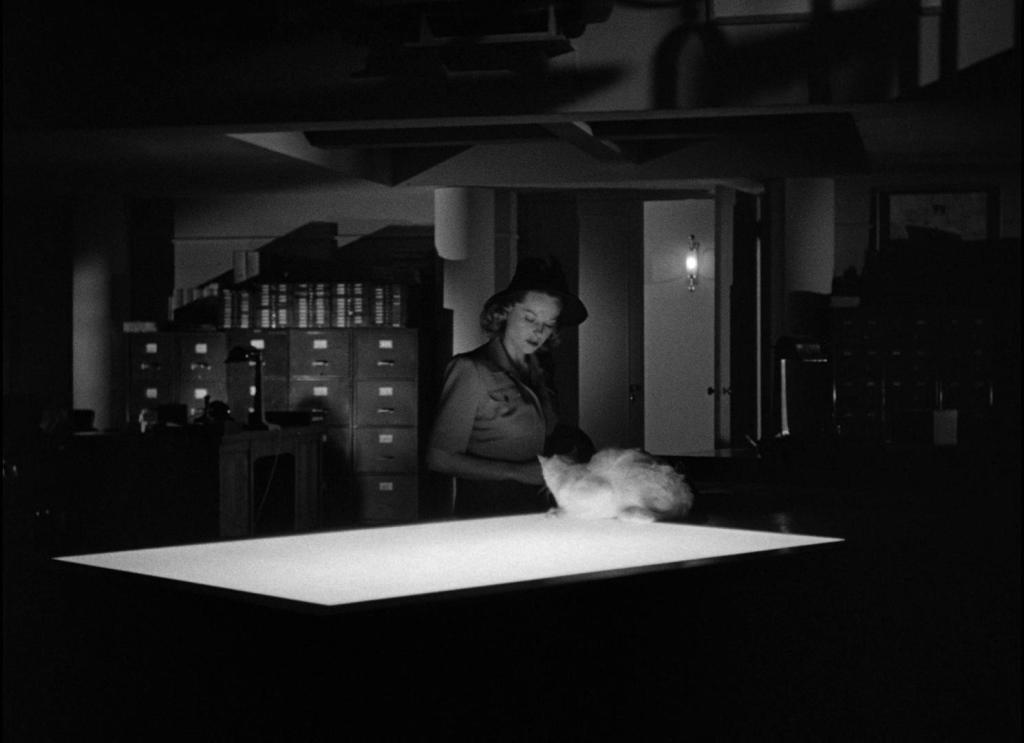
Horror was starting to spread more and more into the cinematic visions. Sequels to horror films were starting to make money in the world of Universal. Ealing Studios in the United Kingdom made one of the first anthology horror films called “Dead Of Night”, a horror film with 5 short stories tied together by one narrative. But probably an important horror film to come out of this decade was the film The Cat People. A horror film that gave cinema the world’s first jumpscare. A trope everyone hates in horror now. A majority of these horror films began to rely heavily on shadows and lighting. It gave an almost film noir aspect. Even though he never made a horror film at this time, it’s here you begin to see where Hitchcock got a lot of his ideas for visual style.
1950s
Horror began to explode into the world of Science Fiction. Aliens, space invaders, and things from another world began to make themselves known in the world of horror cinema. It then gave birth to a new breed of subgenre in cinema, known to the world as the B-Movie. In this process, more horror films with money were starting to be made in colour. Actors like Vincent Price were becoming a new name as an icon of horror cinema. Even some horror films were using the cultural threat of Communism as a metaphor for the first interpretation of Invasion of The Body Snatchers. And 20 years after the American cinema gave birth to the horror icons of Universal, the Brits suddenly showed what it was capable of with the work of the legendary Hammer House Of Horror. Which many people consider to be the godfathers of Classic Horror.
1960s
Horror cinema began to shift dynamically from the Gothic to the grim. Alfred Hitchcock released Psycho which cemented his reputation as being a master of suspense. Michael Powell released Peeping Tom and it effectively destroyed his career. It was obvious that horror was beginning to go into much darker directions that cinema was gradually getting a stronger stomach for.
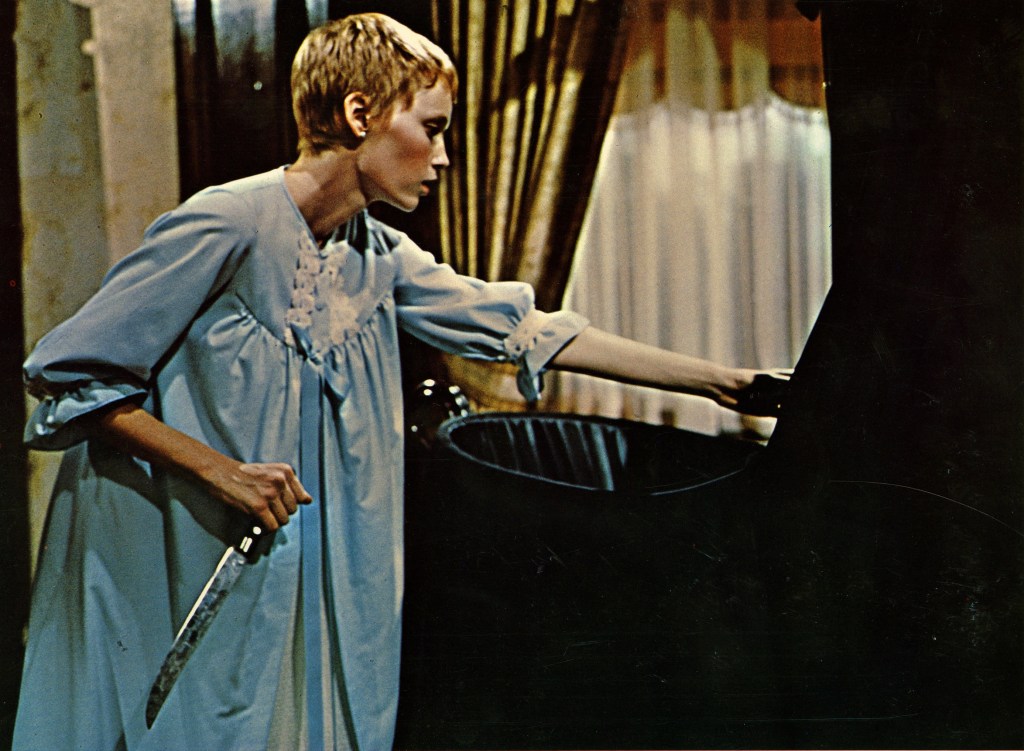
However, some films were still just too close to the bone to be shown to the general public. There were still haunted house movies, there were still Dracula-themed films starring Christopher Lee and there was still B-Movie filler to bring money into seats. Then along come filmmakers like George A Romero, who re-invents the Zombie horror genre and turns it into an apocalyptic vision of the nature of humanity and makes people learn from it. Controversial auteur Roman Polanski directs an adaptation of Ira Levin’s bestseller Rosemary’s Baby, which became one of the highest-grossing films of the decade and now filmmakers are challenging the conventions of what can be shown in cinema.
1970s
This is the decade where Horror went crazy. We had gore, we had violence, we had extreme swearing, we had sex, we had blood, guts, vile villains and director cuts. The ’70s was the decade where horror reared its horrific head. And it was glorious.
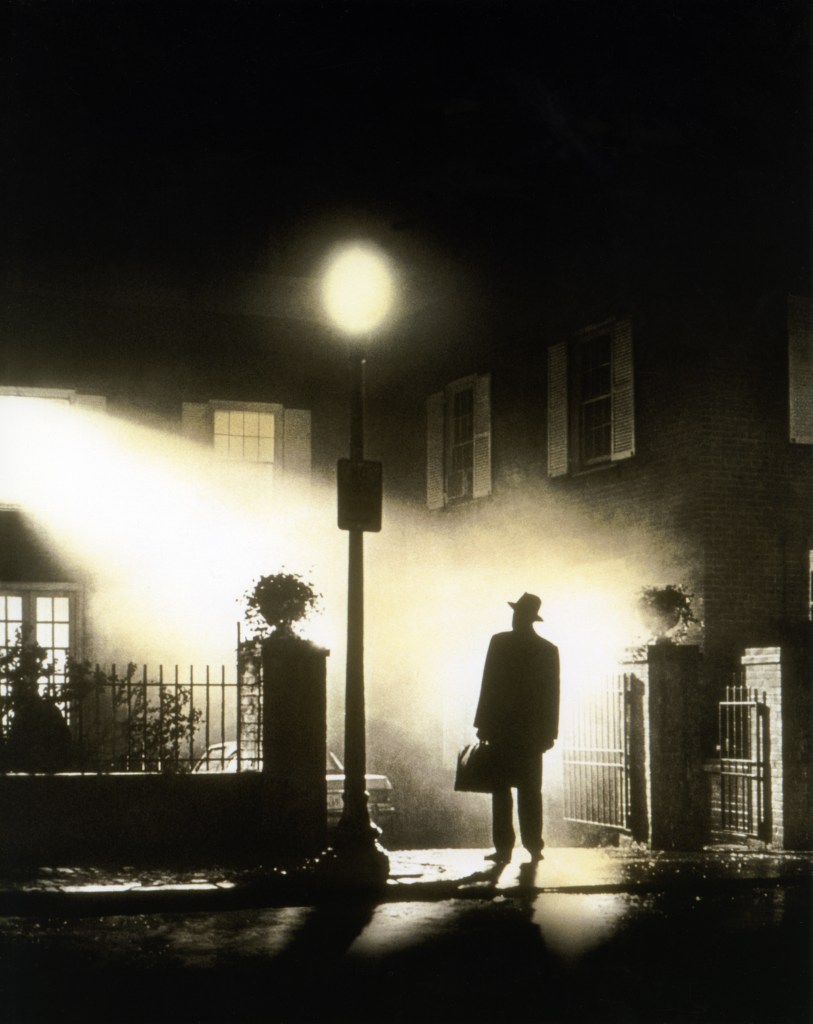
But then on Boxing Day 1973, a horror film was released that changed the face of horror forever. Horror before this film came out was trying to set a standard. And this film invented the standard. That film of course is The Exorcist. Widely regarded as being the greatest horror film ever made (because it is.) The Exorcist is ultimately what I consider to be the truest form of horror classic.
This was followed by a great wave of horror films that were now taking bigger and bolder risks to see how far they could push cinema. Italy was doing a great job with this when filmmakers like Dario Argento were releasing works of art like Suspiria and Lucio Fulci was showing how much fun blood on the screen can be with films like “Zombie Flesh Eaters.” To me, the 70’s is the pinnacle of horror. This one decade paved the way for what horror is now more than any decade.

1980s
This was the decade where horror went…RIDICULOUS. Suddenly horror films were larger than life. And everything from zombies, werewolves, vampires, ghosts, revenge, gore and a flock of Stephen King adaptations were dominating the cinemas. There was an overexposure of practical effects, monstrous budgets and bizarre exploitation. It was also in this decade that Great Britain introduced the criminal group, better known as the British Board of Film Classification.
From here, horror films that were being distributed were being viewed by people and board members, deciding which films were being deemed worthy of being shown in cinemas whilst others were being outright banned. However, this bit the film classification back, because with the advent of home video, these films that were supposedly banned from being seen were now being shown in people’s homes.
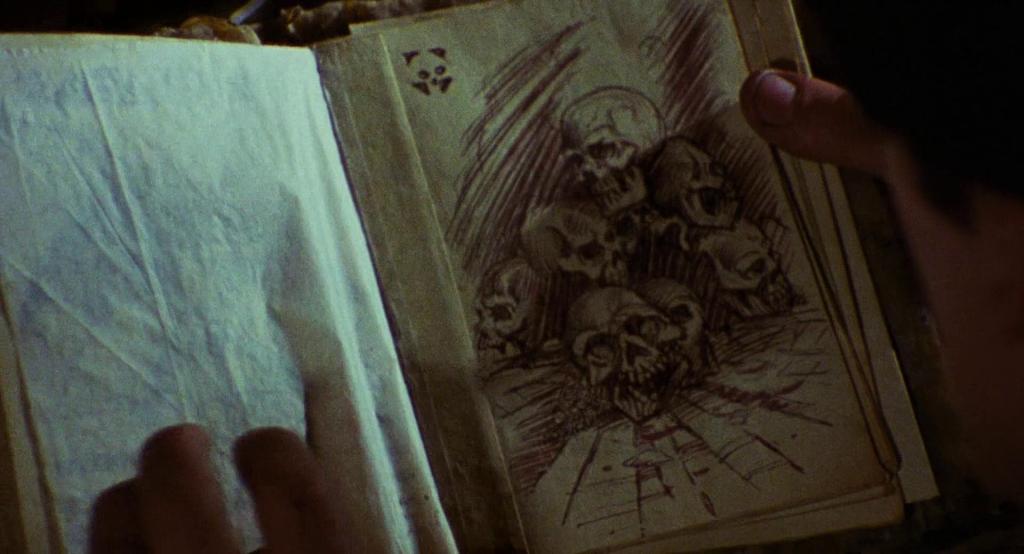
This led to the unpopular video nasties movement, causing many horror films to be taken off the shelves once again until the directors protested that the films they made were not just snuff, but actual works of art. My favourite horror film of all time, The Evil Dead, was wrongfully banned. But Sam Raimi, writer and director of The Evil Dead went to court in London to appeal and save his film. And thankfully the court was in his favour and released the film. I’ll write my article about my problems with censorship for another time. But I had to get that part of the horror history in.
1990s
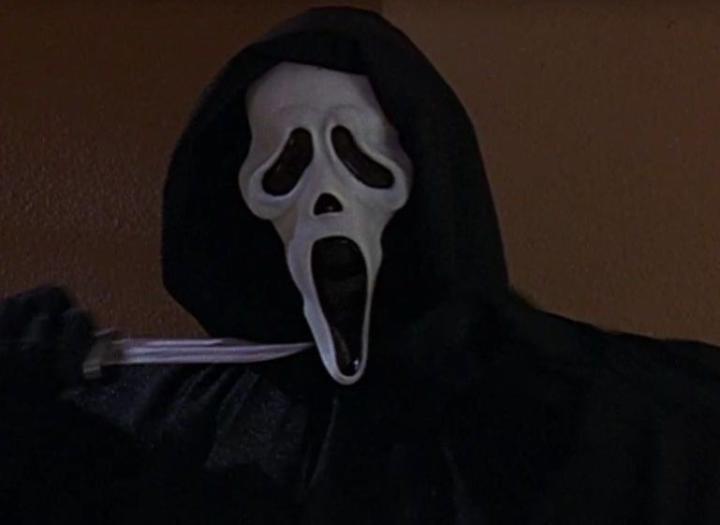
Horror cinema wasn’t at its strongest in this decade. Many films were being made but were nowhere near receiving the reception that the predecessors had achieved a decade earlier. Slasher films were now being marketed for the younger demographic with the success of the Scream franchise. The Blair Witch Project became the highest-grossing independent horror film ever made and kick-started the trend of found footage horror films. Ultimately, horror in this decade was good but not great.
2000s
Suddenly the early 2000’s saw a new breed of horror coming out of the woodwork. All thanks to the invention of digital home media. From this, aspiring filmmakers were now able to make horror films with half of the budgets, less of the costs and more of the creativity. This paved the way to what many people now consider the new age of modern horror. And this brings us back to the point I’ve been wanting to make.
Now that I’ve gotten that out of the way, in 2017 Anna Biller had just released her film The Love Witch. It debuted at the 2017 horror festival Fright Fest and was seen by many as a true homage to horror cinema of the 60’s and 70’s. How it achieved this can come down to the artist herself Anna Biller. She decided to shoot the film on 35mm film and matched the colour palette to that of 1960s technicolour print. The film looks like it was shot in the films it was paying homage to. The only difference is that this film has an augmented reality to its setting and landscape. The characters use mobile phones, and the police are using computers. It’s not set in the past; it’s wearing the past like a vintage designer coat. And this is where the problem starts.
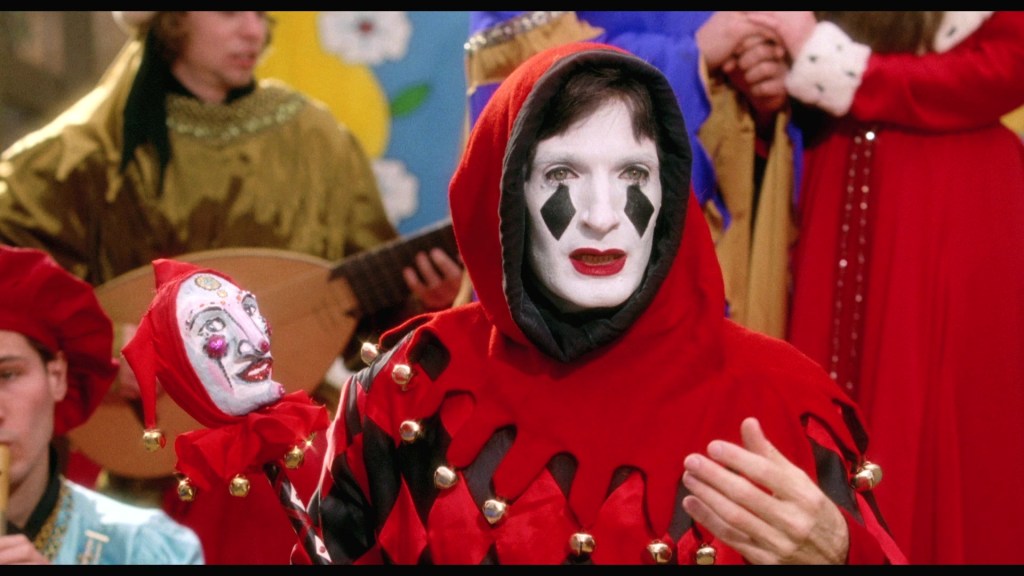
For me, it’s one thing to do a homage to this kind of filmmaking and film style. However, there are many filmmakers today who are learning from Anna Billers’ example to try and make horror in the “Classic” style. Personally, I don’t think we need to.
Yes, the horror films of the past were great, but at some point, what we consider to be a classic horror film now, would have been considered a modern film for that time. The Exorcist at one point was a modern horror film, The Wicker Man was a modern horror film, Carrie was a modern horror, The Shining, The Omen, Nightmare On Elm Street, and so was Halloween. All of these films were modern for their time. What makes them classics is that they’ve aged great.
Most people look at modern horror films today and don’t even think they won’t have the grace to age. Most people will think that horror films will become irrelevant after they’ve left the cinematic run. Many people think that some of the filmmakers who are working today don’t have the cinematic gravitas to draw an audience by their name alone. And of course, there is the countless onslaught of remakes, sequels and remakes to sequels that co-exist with the prequels from the previous film that came out years before the new cast was born. And yes, as a horror film fan, I too find it frustrating. Considering how I now have to come to terms with the fact that there are more bad Evil Dead films than there are good ones (I’m not going into it, it’s not worth it.)
However, just going back to trying to make horror films like the previous decades isn’t going to save the genre. The fact of the matter is, you just have to keep doing the work that every horror fan around the world will understand. You have to watch a lot of the bad stuff before you get to the good. And that’s the fun part.
In my opinion, modern horror isn’t the worst word that people should tar the brush of horror films with now. In the last few years, new filmmakers have been keeping horror films alive like Frankenstein’s creation that it is. Osgood Perkins, Robert Eggers, Jordan Peele and Damien Leone are among the new names of horror directors who are taking every decade of cinema and bringing it back to the big screen. It’s not about celebrating one decade; it’s about taking the strengths of all the decades and combining them.
And I understand with all the subgenres of horror out there, I get that you don’t have to be a fan of all of them. I, for one, am a massive fan of the found footage horror genre, but I hate body horror. I get that people don’t think that the Terrifier films are good, but I think the turn of your brain energy from the film makes it much more fun. Some people like the Evil Dead remake….and they are wrong…Just wrong. Absolutely wrong.
But before you complain that there haven’t been good horror films in the cinema for a long time, I’m not trying to say that there are no good modern horrors. You just don’t want to watch the Insidious films. I don’t either. But you do have to do a bit of homework to find a new horror film that you thought was fantastic. And then you can tell your friends and then the film gets shared out. Lo and behold you have just invented a horror classic.
Because the truth is this – after this massive 6-page essay I just typed out for you (if you did manage to read all the way through, thank you very much) – is that you don’t make a classic horror film like the ones from the past. You make a classic horror film by celebrating a horror film that has taken you on a journey. The one that has scared you, frightened you, and entertained you.
You don’t need to go back to make horror films good. You need to keep going forward. Like a zombie that hasn’t been shot in the head, or a vampire that has tasted a drop of blood from a wound that bled into his grave and landed perfectly in its mouth. Or even like that masked psycho killer who just doesn’t know when to stop, you go forward. And then years from now, someone will watch the horror film you made about the scariest thing you’ve ever experienced and that audience member will walk away watching that film and say: “Wow…That’s a classic”
Right…I’m away to watch Bloody Muscle Bodybuilder In Hell AKA The Japanese Evil Dead. A classic.
Discover more from Decadent Serpent
Subscribe to get the latest posts sent to your email.
