
Author: Eva McFarlane. Eva is a graduate of Edinburgh Napier University with a BA (Hons) degree in English, she is a current student in the MA Creative Writing programme. Originally from Edinburgh, she enjoys all writing with a Gothic twist, primarily within the dark fantasy and horror genres. She is also a poet, with her first poem The Men they could have been published in summer 2024 in the Whitburn Gala Programme. Additionally, Eva has recently completed her first poetry manuscript and is eager to get published while she also works on her novel The Corpse Road.
The Castle of Otranto (1764)
We begin our journey in the late 18th century when a creation is born. This is not a creation of flesh and blood, however, but of black ink and white pages where hidden deep within, the world of Gothic literature is brought to life. Horace Walpole, the father of this genre paved the way through his piece, The Castle of Otranto (1764) where the themes of family lineage and hierarchy are explored. With echoes of the brutality of Henry VIII, the antagonist Manfred is propelled by his lust to produce a male heir after his son’s unfortunate demise. But what inspired Walpole to create his renowned piece?
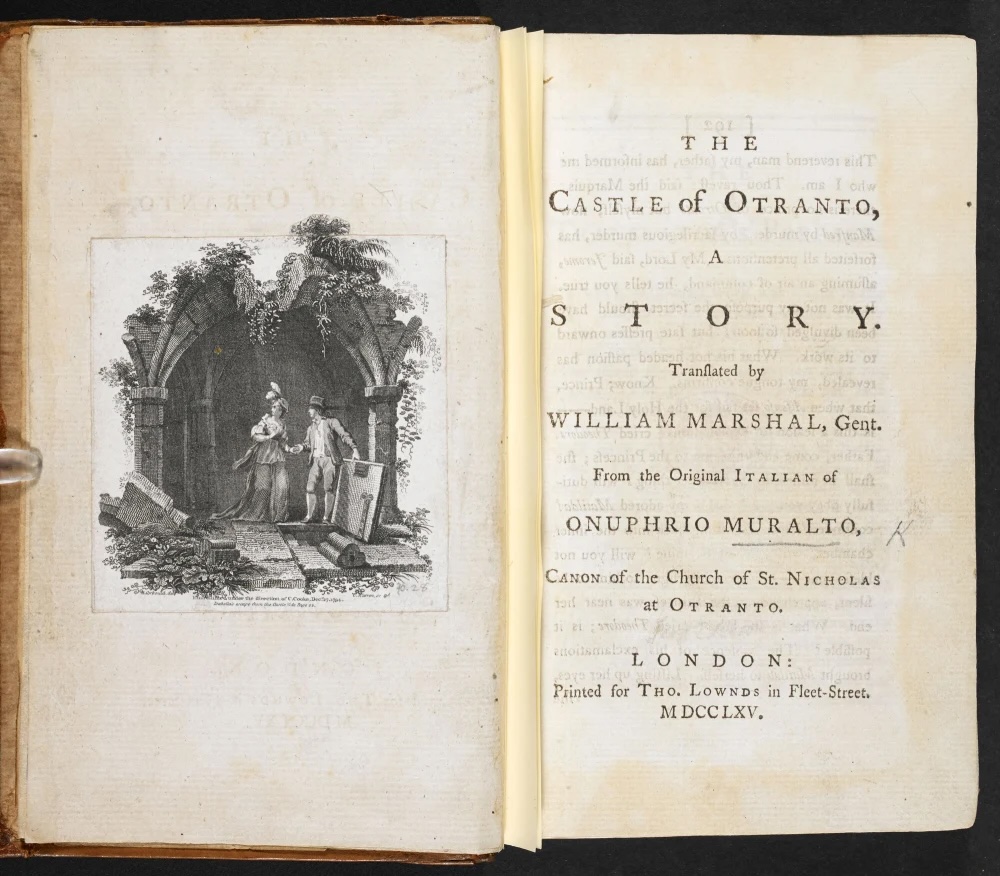
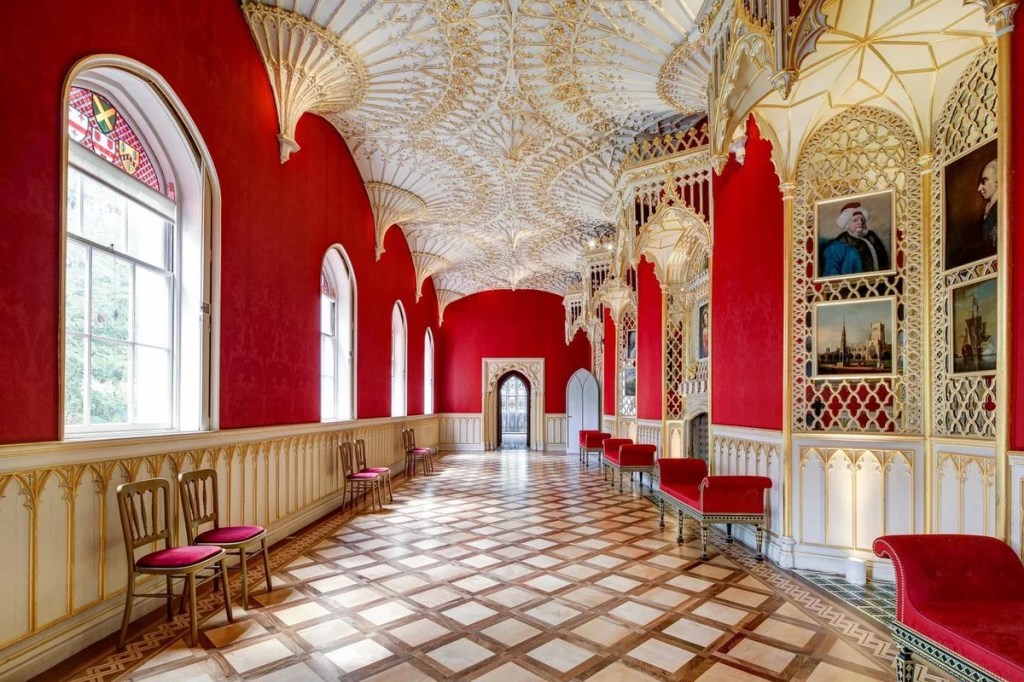
As a lover of medieval history, he infused his knowledge into the story, even originally claiming that the tale was a translation of a 1529 manuscript. As a literary hoax, this angered many critics. Due to his aforementioned love of the medieval, he styled his revival home, Strawberry Hill House in such a tone, making it the perfect backdrop to write his novel, with it believed to be the setting. While staying there, it is said that he had a nightmare about a ‘gigantic hand in armour,’ this became a part that he incorporated into his story. Walpole was the son of the first Prime Minister of Britain, Sir Robert Walpole, and had a top education at Eton College and King’s College, though he did not complete his studies. Regardless, he followed in his father’s footsteps and took up an insignificant place in parliament for 13 years as a Whig MP, however, his love for history stayed with him, as shown in his writing, the architecture of Strawberry Hill, and his interest in art. The Gothic genre was created to critique and oppose the rigid society of the time, as well as use psychological methods to instil tension, without relying on the gore and violence expected within the horror genre. As Gothic literature has advanced throughout the ages, the same showcasing of complex social issues has remained.
As we near the end of the 18th century, we see that the genre became better established, with the same tones of mystery and suspense, the supernatural, and horror becoming nestled comfortably. Stories of the macabre swiftly became popular, with authors such as Ann Radcliffe, particularly her novel The Mysteries of Udolpho and Matthew Gregory Lewis’ The Monk cementing the genre. Though I must pose the question— why was Gothic literature so popular during a time of such rigid social expectations?
Throughout its journey, the genre has continued to be a tool to shine the spotlight upon social issues, in many ways, it embraced the chaotic and broke away from regulations. With foreboding subject matter and characters who could upraise or become cautionary tales, it often was a complex space in which the supernatural and the psychological could be explored. Especially in the Victorian era, a time of progress and experimentation, the themes of ambition, science, religion, and breaking away from societal norms took the forefront, as depicted well in…
Frankenstein (1818)
Mary Shelley’s Frankenstein (1818) sought to revive Gothic literature to its former glory. Employing the themes of ambition, also the mystery of what awaits beyond death, as well as the desire to go against the natural order and revive the deceased, the novel was a shocking one for its time, with many struggling to believe a woman could have produced it. Because of this, many believe that her husband, Percy Bysshe Shelley wrote the story. After the protagonist Victor provides reanimation to his monster, comprised of dead body parts, he is horrified by where his ambitions have led him, leading to him renouncing his work and, henceforth the creature he had created also. This rejection of his own creation leads to the monster’s downward spiral into seeking revenge against the doctor, manifesting a tale that plays at the reader’s fear and warns about the morality of scientific experimentation, especially when it goes against the natural order of the world. What I find so fascinating about this text in particular is how the duality between good and evil is not so clear cut, the monster is not evil by design but created so by the world around him. A direct quote from the novel: “Beware; for I am fearless, and therefore powerful” directly showcases my point as we see how the monster, having come face to face with the cruelty of the world and all who shun him, has concluded his transformation into the antagonist of the tale by announcing he has nothing to lose. This quote explores the nature of revenge and how some ambitions must not be explored. The monster is thus ‘fearless’ due to his loneliness and anguish which he strongly blames the doctor for, this leads to his vengeful actions and ability to strike terror as he looks to make his creator feel as miserable as himself.
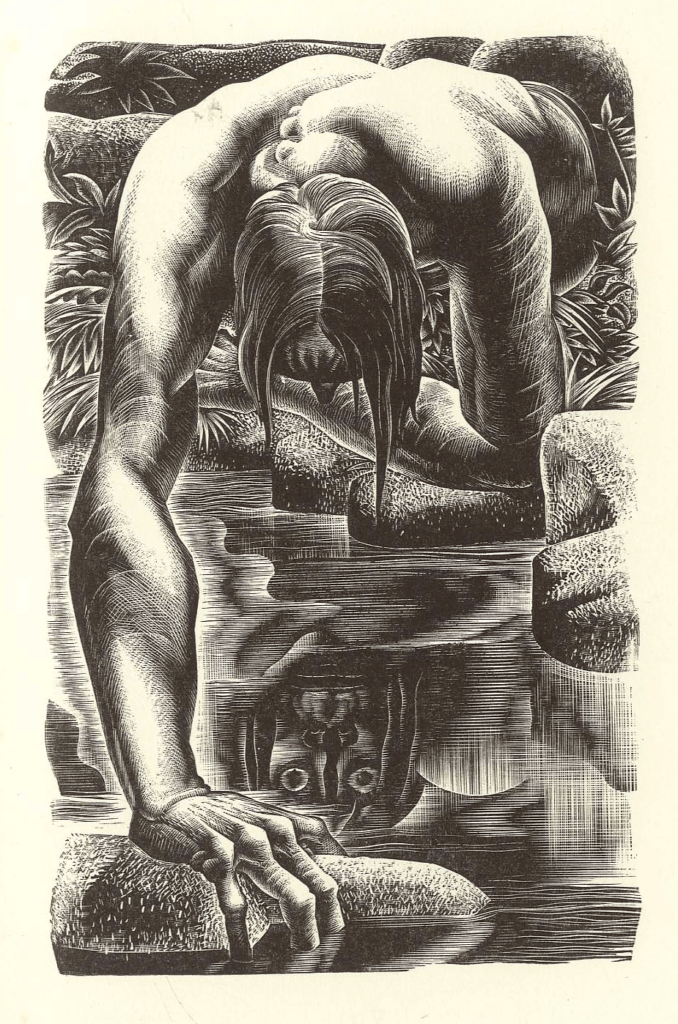
Shelley was inspired by a dream she had about a scientist who created a monster from dead body parts, becoming the most prominent chapter of the novel. Paired with a writing challenge between fellow creatives, and the scientific theories she had been exposed to, her creation was brought to life. Though Mary Shelley did far more than write a story, she revived the genre of Gothic literature altogether and became an integral part of shaping the genre of science fiction.
Throughout the years, Gothic literature has gone through many revivals, altering the way society views the genre. Going into the modern day, we can see such is the case through the use of adaptations.
Frankenstein alone is said to have over 187 films in which the monster, or a reference to it is depicted. Some notable examples include Frankenstein (1931), The Bride of Frankenstein (1935), Frankenweenie (2012), Hotel Transylvania (2012), and even Edward Scissorhands (1990). Through the use of cinema, the story has continued to be popular and managed to inspire continued generations. Much is the case for Bram Stoker’s Dracula (1897) also, in which over 200 movie adaptations have been created. Some examples include: The Last Voyage of the Demeter (2023), Van Helsing (2004), and Dracula (1931). But how have adaptations appealed to current society?
Gothic in Film and TV
To appeal to younger audiences, movies, and TV shows have ensured the genre has made a comeback. The movie that first enticed me into the genre was The Woman in Black (2012), a movie that was adapted from the novel of the same name, written by English writer Susan Hill in 1983. The story explores themes of vengeance, trauma, and the inability to escape from the past, we see this through the narrative of Arthur Kipps, a lawyer who is sent to deal with Eel Marsh House after the death of a client. There, he encounters the ghost known as the woman in black.

What makes this tale so eerily compelling is the prominent theme of vengeance, as the evil ghost kills a child every time someone sees her. But why is she performing such a wicked deed? The ghost, formerly known in life as Jennet Humfrye is propelled by revenge after her child tragically died in an accident. Blaming her sister for her child’s death, Jennet is driven mad by her maternal loss and so comes back to enact her revenge, causing more grief as parents within the town are made to feel what she too felt. The story has been adapted numerous times since the original publication, ranging from movies to a stage play, to even a radio play. The story’s portrayal of the destructive social expectations of women and the ways they were mistreated. This is highlighted by the lack of agency Jennet had before her death. After having her child out of wedlock, to maintain the family’s reputation her sister took custody, thus fuelling her anger which became heightened after her son’s death. Overall, the story portrays insight into a part of history where strict social expectations were placed upon women, depicting the extreme implications of women having no power and how this fuels the woman in black’s desire to kill children and spread the same pain she endured.
Haunting of Hill House (2018)
Another notable example of Gothic literature that has been adapted in recent years is the Haunting of Hill House (1959). This novel, written by Shirley Jackson has resurfaced in popularity after a TV show of the same name came out in 2018. With the show now found on Netflix, a prominent viewing platform, this makes it widely available and thus more known. The story is a psychological horror that details themes of trauma, loss, and the psychological damage that the characters in varying ways grapple with. Looking primarily at the Netflix adaptation, we see how the fears and traumas of the different characters are manifested into entities that torment them. One example is with Nell and her being haunted by the bent-neck lady.

This is a spectre that has haunted the character since she was a little girl and therefore ties her trauma and past back to the house. Through the bent-neck lady, we learn upon Nell’s death that the ghost is herself, drawing her back to the house and tying her to the place where it all began. Nell’s character and the bent-neck lady act as a metaphor for our inability to escape the past and our traumas, as they follow us throughout our lives, bringing us back to the place where it all began, like with Nell returning to the house. The story is a tragic tale of the haunting qualities of mental illness, as it is something only those suffering from it can comprehend. Meanwhile, her siblings also suffer from the traumas of their childhood, though in varying ways, and none seem to understand the horrors that Nell faces. While her twin, Luke struggles with addiction, showcasing his inability to accept reality, their older siblings, Theo, Shirley, and Steven do not display their traumatic past so boldly. Overall, the story proves to be a relatable one, allowing viewers to empathise with the characters and their traumas, as well as the varying ways in which they cope. The house becomes a character in its own right, becoming the beginning and end of the family’s traumatic journey as the story concludes with them finding acceptance and understanding.
To conclude, Gothic literature has become grounded as a popular genre due to the ways that it deals with realistic problems, while also adding an edge of turmoil and the supernatural. From Sally Gardner’s Tinder (2013), a tale of love, loss, and the horrors of the historic 30-year war, to Dana Schwartz’s Anatomy: A Love Story (2022), a story set in 1800s Edinburgh about a young woman’s fight to become a female surgeon in a field dominated by men, both of these texts convey social, political, and economic problems within their chosen periods. As Alison Milbank stated: “Gothic fiction tells us the truth about our divided nature.” This brings us back to the tense subject matter, where it forces the reader to dissect the world around them and the problems within. As we look to the modern era, it is clear that gothic literature has continued to advance, still maintaining the themes that started it in the first place. While adaptations draw the attention of the younger generation, this ensures that the genre will live on to be continually reshaped.
Discover more from Decadent Serpent
Subscribe to get the latest posts sent to your email.
