
Author: Samuel Wild. Samuel is an artist working in painting and printmaking exploring vitalism and perennialism in art. You can follow his work here.
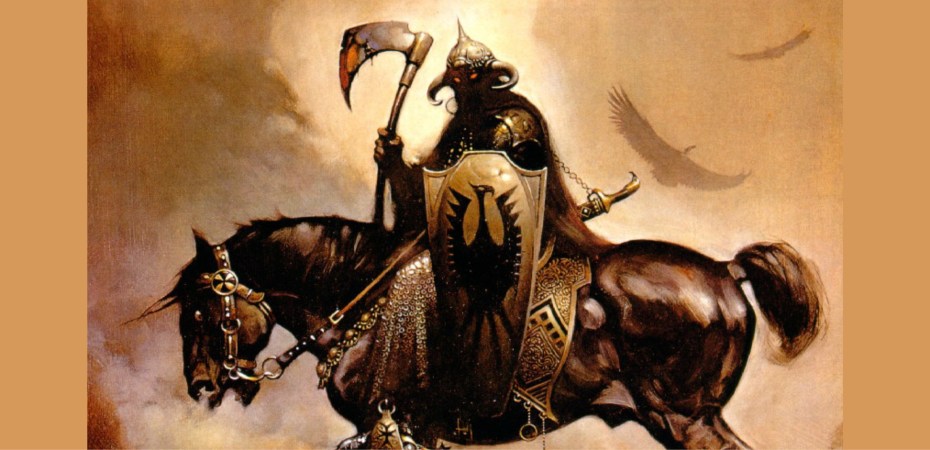
Frank Frazetta is a better artist than Marcel Duchamp. I will repeat, Frank Frazetta is a better artist than Marcel Duchamp. Forget all the content written about why Duchamp is so important, and the minimal number of words written about why Frazetta is important. Forget all the prestigious collections that possess and exhibit Duchamp’s work and the lack of prestigious collections that possess and exhibit Frazetta’s work. Forget the art critics. Forget the prices paid. Forget the ‘art world’.
None of these determine which work of art is better than another. In the end, they are completely irrelevant in terms of their value as art.
Concisely, the power of art lies within its effect upon us. When we encounter a work of art, we concentrate our minds on it and each viewer’s experience is coloured by the painting or sculpture they perceive, and therein lies the artwork’s value. If each artwork affects us so deeply, then what does it do to our minds and to our spirit? And is this effect of any value to us? Not all of art’s effects are of equal importance. Some are facile. Some are edifying. Therefore, the value of a work of art is found in the good state of mind in which they put us.
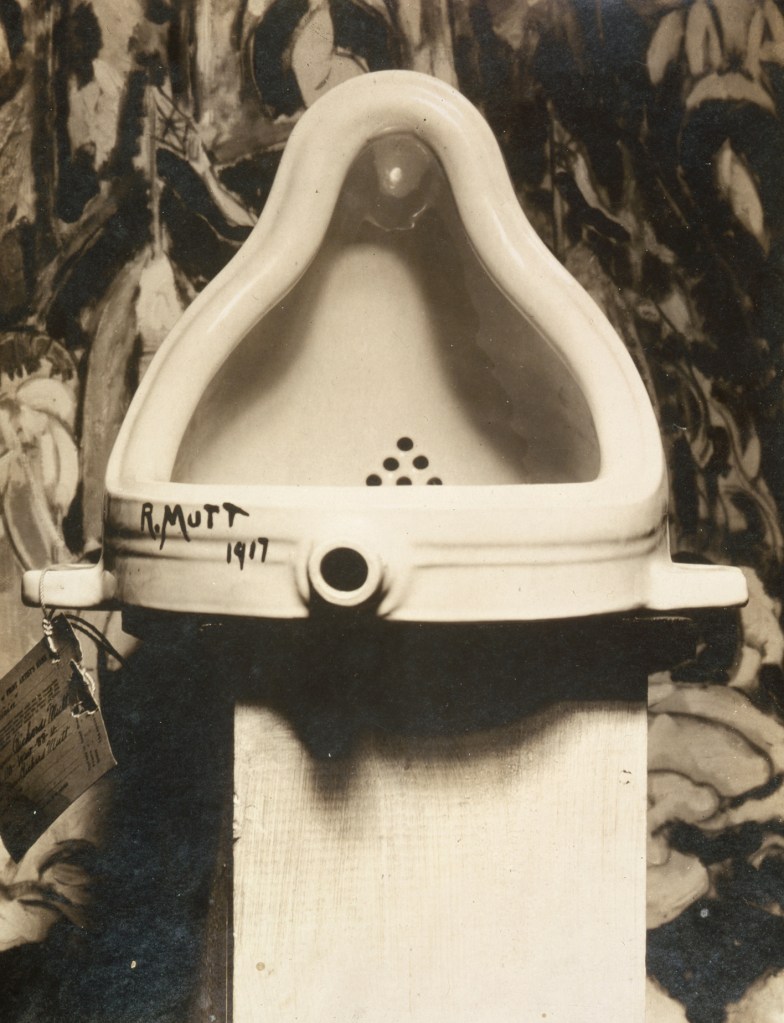
Duchamp’s art asks us to question our conception of art. In various works, from the worn-out Fountain to something as pedantic as 3 Standard Stoppages, these supposed jokes supposedly lure us into ‘very interesting’ bouts of cerebral activity where we contemplate the ‘very nature of art’ etc. Only it seems that this activity only advances the tritest contemplations and their associated utterances, “Perhaps it is us, as, like, a society, that gives value to art”, “If this can be art, I don’t know, maybe anything can be art”, “woh, like, maybe we’ve been thinking about this all wrong, man, woh”.
As someone who has grown up around this guff, I would question the value of this line of enquiry. It is a puzzle for which I have seen my contemporaries scratching their heads since I started art school over ten years ago. It’s all very ‘interesting’. To be ‘quite interesting’ is the death knell of all art and life; it is wholly decadent. Scratching one’s chin about niche matters that concern no one is a mockery of real thought. Only a being completely sheltered from the challenges of life would concern itself with these ponderings. And where has this all too clever “questioning” gotten us? The state of the art hardly seems advanced in our times.
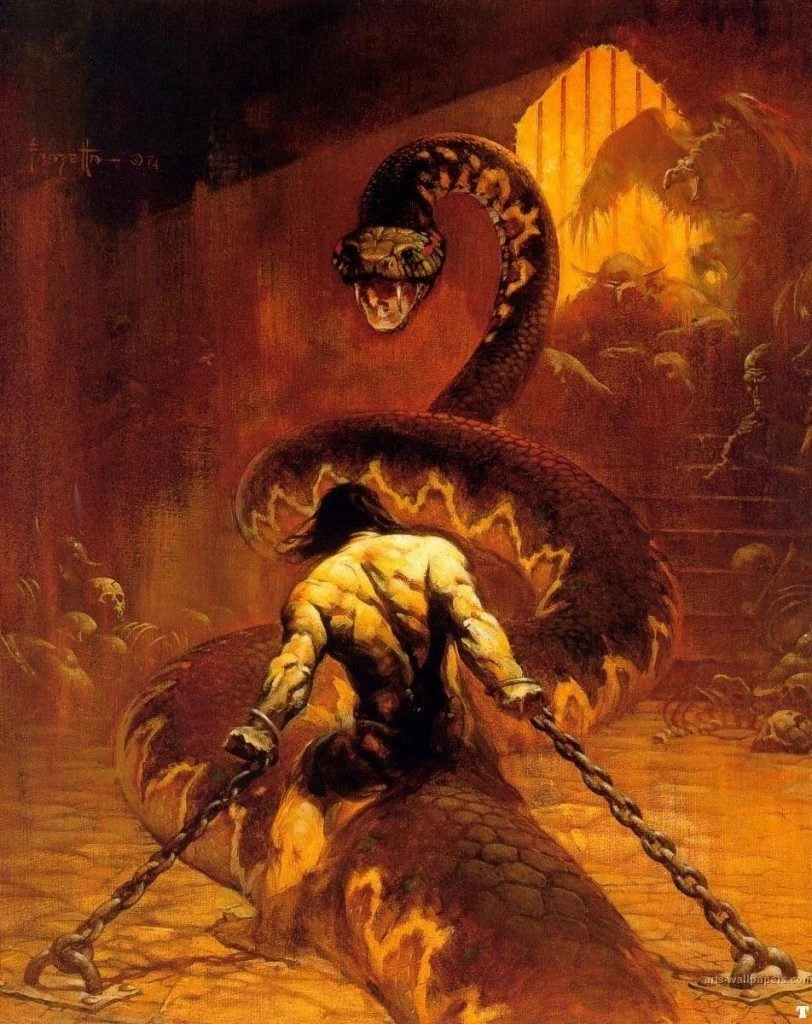
As contrasted to this mental constipation we have an artist like Frazetta, who comes upon us as if we’d stepped off a rocket ship and entered a new and alien world. The artist originally started in the American postwar comics industry, quickly becoming one of its leading lights with dynamic and surprising compositions. Franzetta was an artist of newsstand comics and pulpy paperbacks and not the sophisticated environs of New York’s trendy gallery scene. What does his art do to us that Duchamp’s does not? Why do the cheap thrills of the comic book enliven us in a way that de rigeur downtown Manhattan does not?
It opens our imagination. We are shot to distant lands, to meet strange women, witness brutal barbarians and explore distant kingdoms. His art reveals a new horizon for us.
Perhaps a critic would be correct to claim that these visions are puerile. That they are the kitsch demonstration of an adolescent libido for sex and destruction. I would deny these claims but even if they were true, why is this worse than the ponderous Duchamp? Is subverting what art means nobler than fantasies of sex and violence? The latter is more honest at least. But moreover, which do we believe is ultimately better for us? Better for us as animals? As animals that are compelled to live and to survive, are we better served by Duchamp, the Manhattan lofts and being ‘quite interesting’, or are we better served by Franzetta, by the street-side newsstand and libidinous visions of scantily clad slave-girls?
I would maintain that Frazetta is a much more necessary influence upon our imagination than the Socratic bungling of Duchamp. If art does not free our imagination, if it does not give us a new breath of life, then what use is it at all? Modern life dampens our animal spirits, the art of fantasy ignites them.
Discover more from Decadent Serpent
Subscribe to get the latest posts sent to your email.
