
Author: Giulia Prodiguerra. Italian-Scottish writing aficionado, jack of a very few trades. Loves art in all forms, has a soft spot for videogames (but not very good at it).
It is said that if you stand in the precise spot near the walls of Lucca on a full moon night, at that hour when darkness makes the shadows grow longer and the whispers louder, you might be able to hear the horses and wheels of the flaming chariot that brought Lucida Mansi to hell.
As a teenager, I was one of many who tried to listen for her chariot or spot her ghost wandering in the Botanic Gardens inside the walled city. Rumours of blood pouring from the walls of the Mansi Palace at night kept us awake during sleepover parties and bonfires.
I might be biased, starting this column with a folklore legend of my hometown, however, Lucca is a stone trove of myths, superstitions, and legends that are worth exploring.
So today, I’ll tell you the story of Lucida Saminiati, which most people know as Lucida Mansi. There’s little written history about her, and it’s fascinating to see how much has been passed down purely through oral tradition.
A rich and beautiful noblewoman, both her life and death are shrouded in mystery which still feeds into the local legends today.

The History
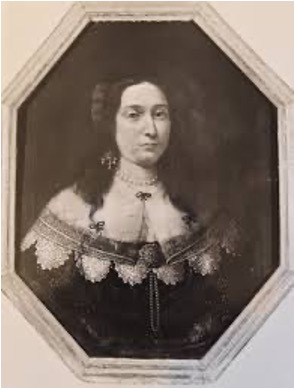
Lucida was born Lucida Saminiati in Lucca in 1608. Little is known about her parents of the Saminiati family, but some sources link them to Florence.
As per tradition at the time, Lucida married Vincenzo Diversi when she was very young.
Sadly, Diversi died shortly after in 1628 (some sources say he was assassinated during an argument over land, others that he perished due to a hunting accident).
But a woman at that time, especially a widow, couldn’t survive by herself, so Lucida married the old and rich Gaspare di Nicolao Mansi.
The Mansi were one of the most powerful families of the Republic of Lucca, with a strong presence since the 1200s. Their main source of income was the commerce of silk, of which Lucida was particularly fond.
Due to the age difference, it is speculated that the marriage was the cause of deep shock and relentless gossip.
Very little is recorded in the historical archives between the marriage and Lucida’s passing. Some sources confirm that Lucida died of the plague on the 12th of February 1649 and was buried in the family plot in the Concezione dei Cappuccini church in Lucca. The Church was destroyed during Elisa Baciocchi’s, Napoleon’s sister, regency over Lucca.
We also know that Gaspare re-married in 1651 with Luisa De’ Nobili, but he asked to be buried with Lucida.
The Deal with the Devil
As always, history merges with legend, and Lucida is the perfect character for such a story. No matter how much history can be embellished, it is certainly confirmed that Lucida, described as astonishingly beautiful, loved luxury and partying.
The wedded life with Gaspare wasn’t happy for the couple: Lucida certainly loved the decadent and opulent life that the Mansi fortune allowed her to live, but more than anything, she loved herself.
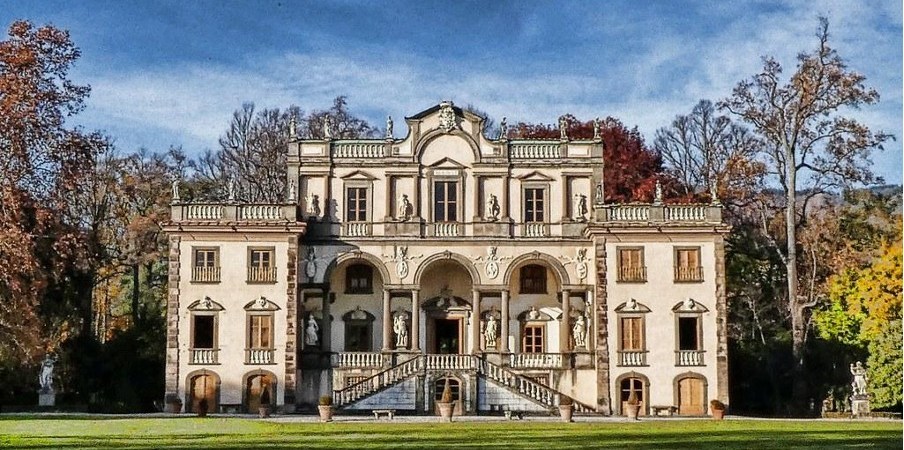
The walls of the magnificent Mansi Villa in Segromigno were covered in mirrors so that she could admire herself on every occasion.
Nothing seemed to quench her inner agitations: no amount of money, jewels, silks and gifts ever seemed enough. The noblewoman at that point started taking on lovers.
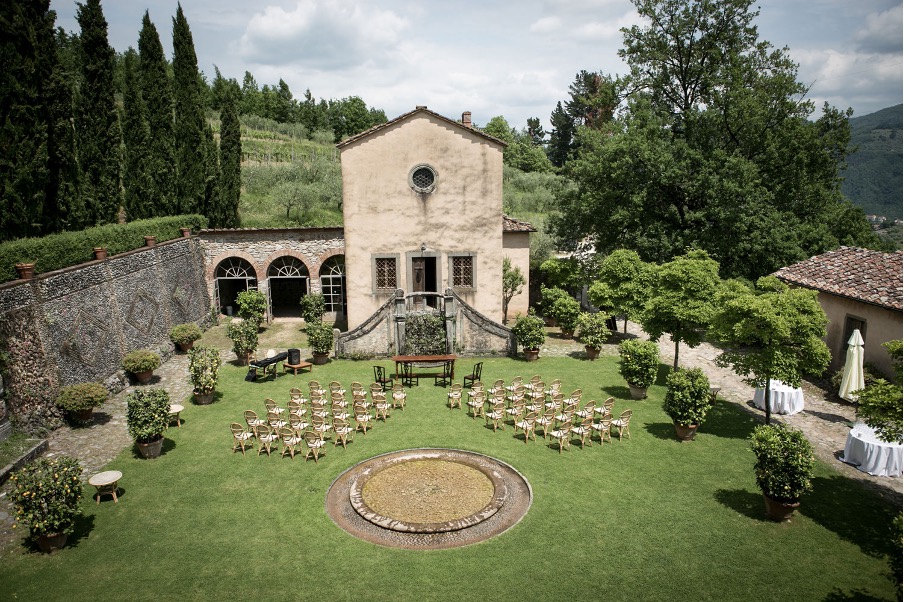
After having consumed her affairs in the Catureglio Castle, close to the town of Borgo a Mozzano, Lucida would kill her lovers by dropping the unfortunate men into a trapdoor, making them fall into a pit filled with deadly blades. This earned her the nickname of “black widow”.
Years passed when Lucida’s worst nightmare started becoming reality: the smallest wrinkle on her beautiful face confirmed to her that she was ageing.
The Devil smelled her desperation like a hound, and he suitably appeared to help her (we’ll see from other stories that the Devil seemed to hang around an awful lot around Lucca). He made her a simple offer: another 30 years of unchanging beauty in exchange for her soul. She would be able to live as dissolutely as she wanted, and nothing would change for her.
Lucida accepted.
Lucida’s demise
There are two different versions of how Lucida’s story ended:
Version 1 – The Chariot
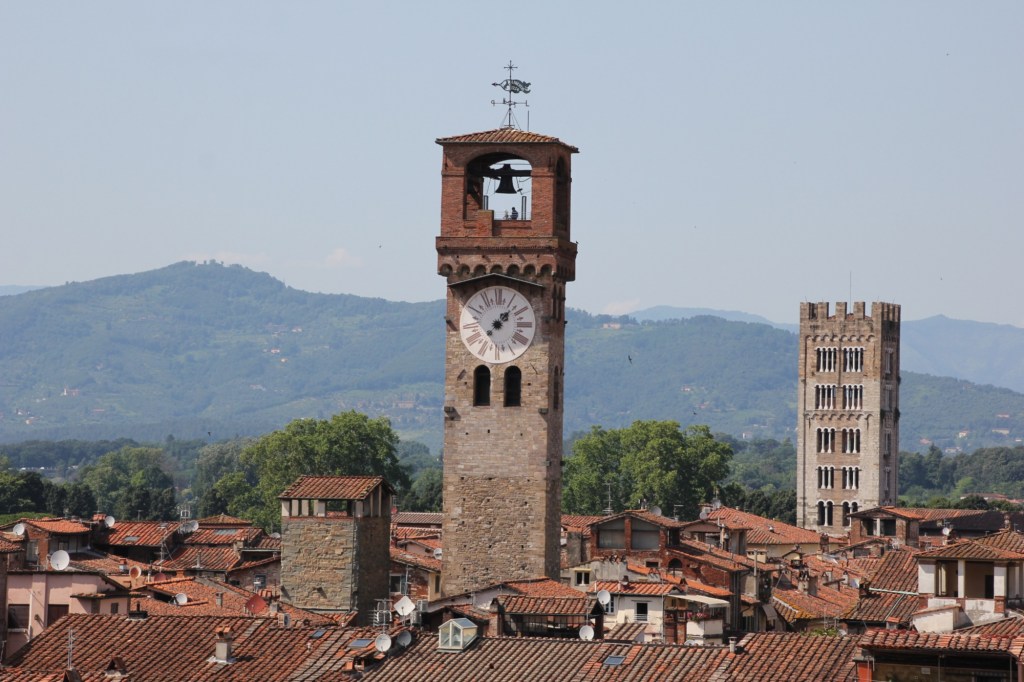
Lucida kept on living the best life possible for the next 30 years, continuing to collect a string of lovers and leaving a trail of death behind her. But when the pact was about to end, Lucida desperately tried to avoid her fate by trying to reach Lucca’s Clock Tower (Torre delle Ore) to stop the clock before it struck midnight. But the Devil snatched her before she could reach the tower, dragging her into his flaming carriage which ended up in the Botanical Gardens. The legend says you can still hear the carriage on full moon night, and if you immerse your head in the lake in Botanical Gardens, you can see Lucida’s desperate face.
Version 2 – Villa Mansi
Another version of the story is that at the end of the 30 years, Lucida didn’t try to escape but was frozen in fear. The Devil opened a fiery pit under her feet, and she tumbled to hell. This version was corroborated by a mysterious crack in the floor of Villa Mansi, which reportedly couldn’t be fixed in any way for decades. Some people swear that they have seen her wandering the halls of the Villa locked in an anguished scream, along with other unexplainable supernatural events (blood dripping from the walls, mysterious chants and figures running through the halls).

We know Lucida died possibly because of the plague and her son named his daughter in her honour, so that seems to take away from the legendary and deadly figure of the “black widow” that so many stories weaved throughout the centuries.
It is a legend that could be a fabrication of envy towards a woman who was considered too free for her time, but that still stirs a sense of fascination and the unexplained.
To understand Lucida’s influence to this day on the imagination and traditions of Lucca, every Halloween, a huge event which involves the whole town of Borgo a Mozzano re-enacts the final moments of Lucida’s attempt to escape the Devil. Each is played by actors, and the two then parade on a coach through the town to finally reach the Serchio River, where at the stroke of midnight the event culminates in a firework show.
Discover more from Decadent Serpent
Subscribe to get the latest posts sent to your email.
